Electric dreams: NASA to fly first crewed X-plane in 20 years.
By Steve Creedy Fri Oct 4, 2019
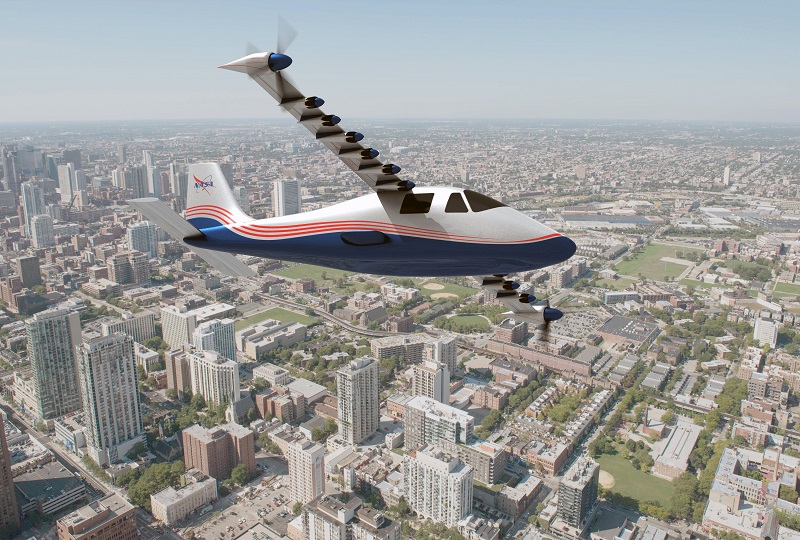
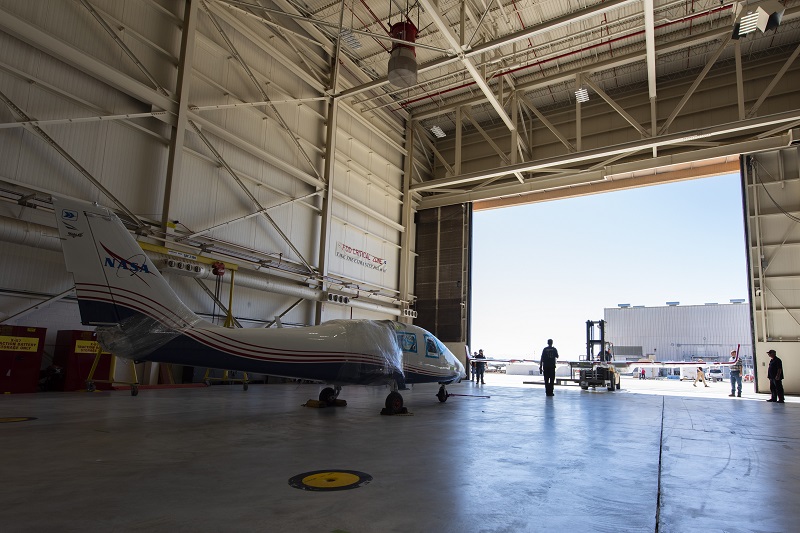
NASA is preparing to fly its first crewed X-plane in two decades after the all-electric X-57 Maxwell was delivered this week to the agency's Armstrong Flight Research Center in Edwards, California.
The experimental plane, NASA's first all-electric aircraft, was delivered by Empirical Systems Aerospace (ESAero) in the first of three configurations to be tested.
READ: Massive Thomas Cook rescue drawing to a close.
The initial configuration, known as Mod II, involves testing the aircraft’s cruise electric propulsion system and has seen two traditional combustion engines replaced with electric motors.
This week's delivery will allow NASA engineers to start ground tests, followed by taxi tests and ultimately flight tests.
The overall goal of the project is to further advance the design and airworthiness processes for the emerging electric aircraft market, including urban mobility vehicles.
It seeks to demonstrate the benefits of electric propulsion in terms of efficiency, noise and emissions.
"The X-57 Mod II aircraft delivery to NASA is a significant event, marking the beginning of a new phase in this exciting electric X-plane project,” said X-57 project manager Tom Rigney.
“With the aircraft in our possession, the X-57 team will soon conduct extensive ground testing of the integrated electric propulsion system to ensure the aircraft is airworthy. We plan to rapidly share valuable lessons learned along the way as we progress toward flight testing, helping to inform the growing electric aircraft market.”
NASA's first all-electric plane is delivered to NASA’s Armstrong Flight Research Center in Edwards, California in its Mod II configuration. Photo: NASA
Two other testing phases, Mods III and IV, will feature a high aspect ratio wing instead of the wider, standard wing in the Mod II phase.
NASA recently completed tests on the high aspect wing, which will allow electric cruise motors to be repositioned at the wingtips, a move that could significantly boost efficiency.
The Mod IV configuration will add 12 smaller high-lift motors to the two wing-tip cruise motors in a distributed configuration.
NASA said the X-57 team was using a “design driver” that included a 500 percent increase in cruise efficiency, zero in-flight carbon reductions and a sharp reduction in noise for communities on the ground.
.