Air New Zealand orders part from Singapore, prints it in LA

By Steve Creedy Fri Apr 12, 2019
A small plastic part flying around in an Air New Zealand Boeing 777-300 could be the shape of things to come for aviation supply chains.
The part, which sits behind the airline’s Business Premier screens and ensures the seat isn’t damaged when the monitor is pushed in, began its life as a digital file in Singapore’s ST Engineering.
It was part of a world-first experiment that saw an aircraft traveling between Auckland and Los Angeles simulate damage to the part.
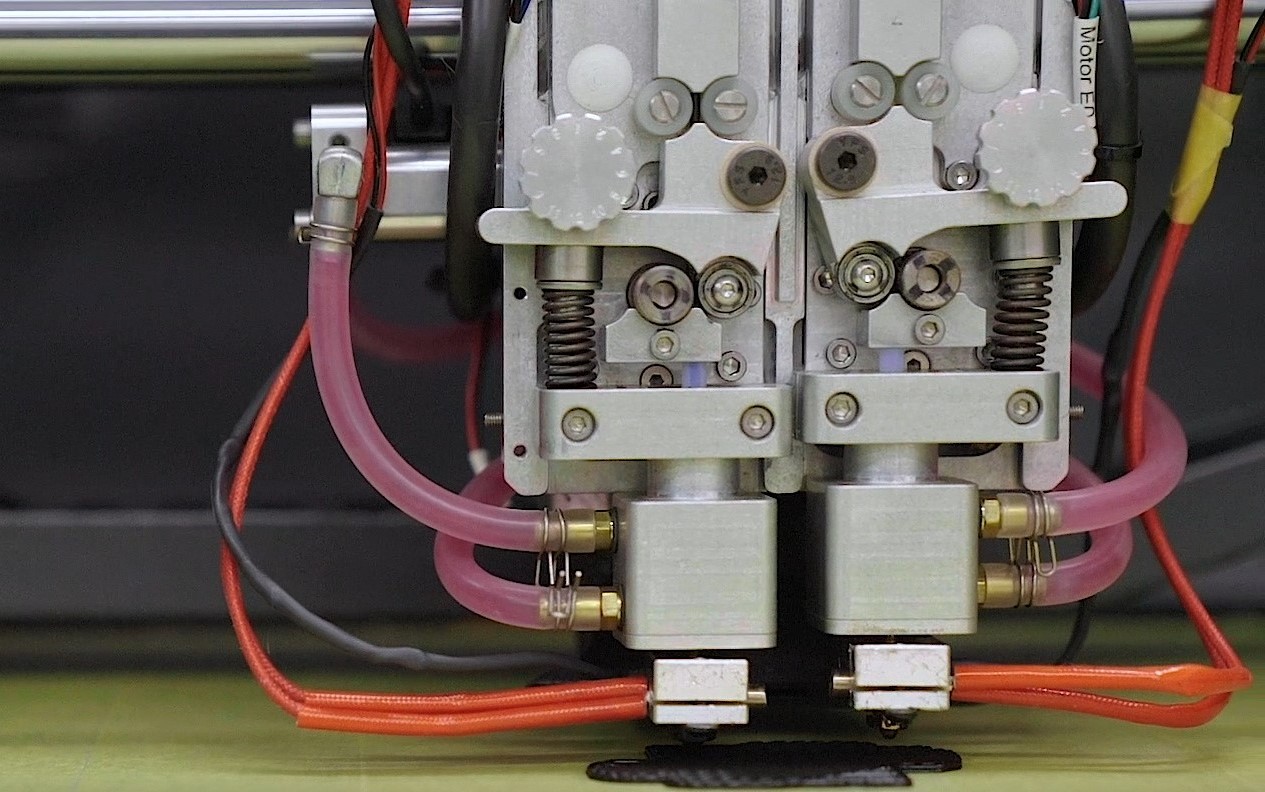
The file from Singapore was transmitted to Moog Los Angeles, produced on an approved 3-D printer and installed within hours on the aircraft.
The on-demand system is designed to cut lead times and result in less downtime for airlines, particularly those with long supply logistics chains such as Air New Zealand.
The entire transaction, from purchase to installation, was logged in Moog’s VeriPart digital supply chain system powered by Microsoft Azure Cloud technology.
The four-company experiment aimed to prove the concept was technically viable as well as valuable to commercial aviation.
READ: Hi-tech Airbus cabin center adds A320/A330 families.
Air NZ already prints some aircraft interior parts but said the use of enabling technologies such as blockchain could allow it to create a catalog of parts that could be printed where required around the world.
VeriPart uses blockchain to assure the data, process and performance integrity of the printed part, ensuring it was authenticated and traceable as is required for aircraft parts. It also allows manufacturers to keep control of their intellectual property.
Air New Zealand chief ground operations officer Carrie Hurihanganui said being able to 3D print and certify aircraft parts in this way could present significant benefits to commercial airlines.
“Being able to 3D print certain components on the go would be transformative and drive significant efficiencies and sustainability benefits,’’ she said.
“Rather than having the cost associated with purchasing, shipping and storing physical parts and potentially having to fly an aircraft with an unavailable seat, this system would allow us to print a part when and where we need it in hours.”
Aerospace manufacturers have been using printed parts for some time and GE Aviation’s first such component was cleared to fly in 2015.
Have questions or want to share your thoughts?