Major US snow storm triggers 12,000 flight cancellations
By Josh Wood Mon Jan 26, 2026
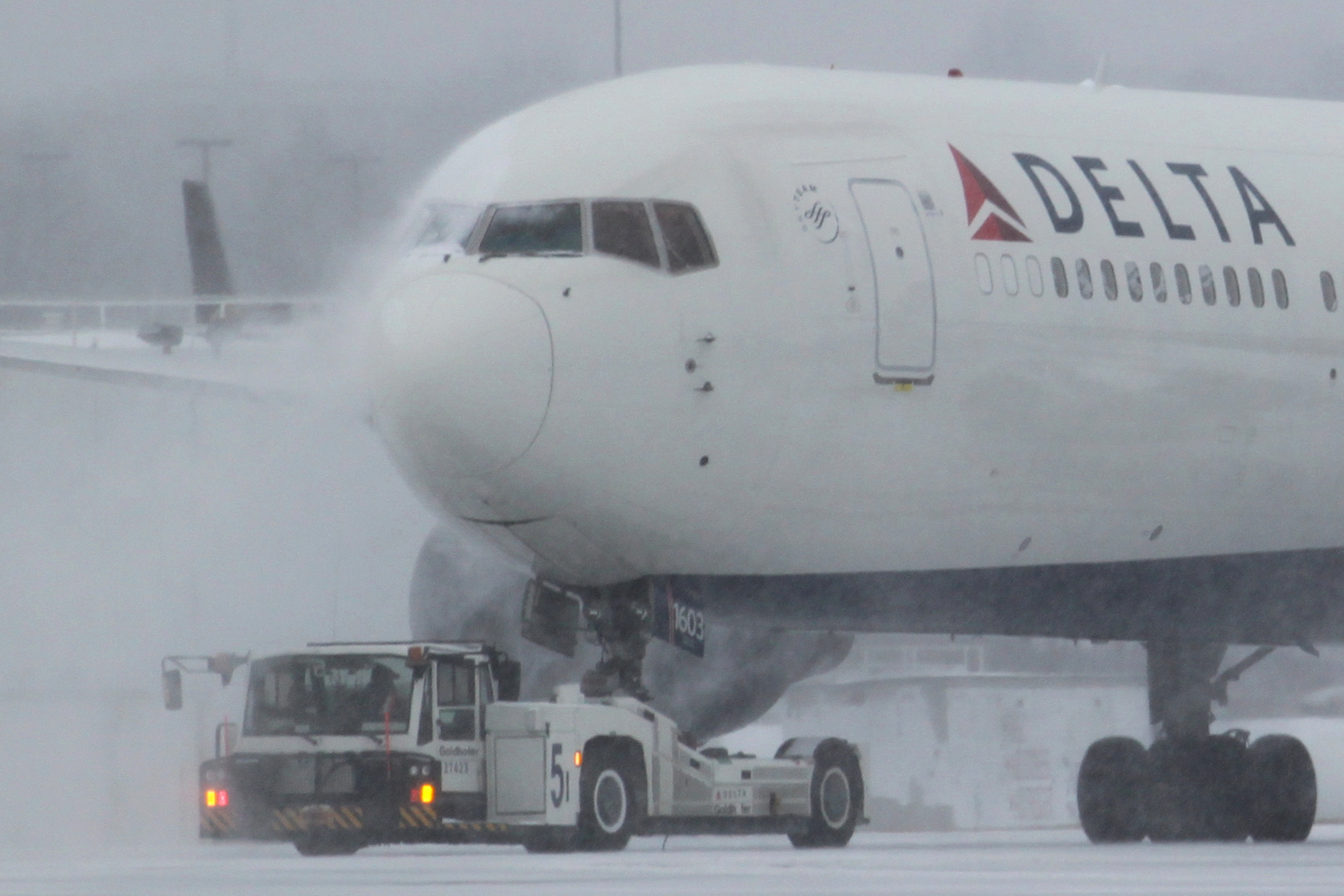
A powerful winter storm has swept across large parts of the United States, triggering widespread disruption and the cancellation of thousands of flights. According to Cirium data, nearly 12,000 flights have been cancelled, marking the highest level of disruption since the pandemic in 2020.
For passengers caught up in the chaos, delays have also been extensive, with around 3,400 flights delayed on Sunday, 25th of January.
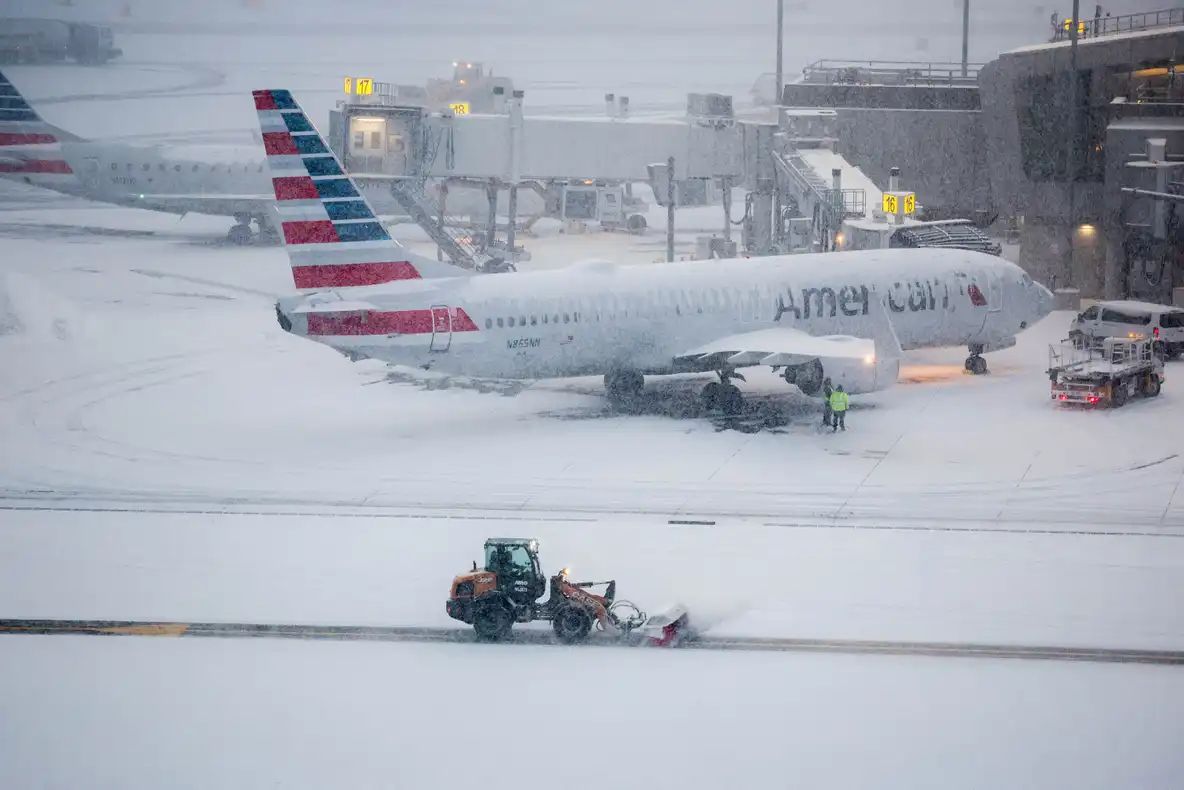
At Ronald Reagan Washington National Airport, all departing flights were cancelled on Sunday, 25th of January. Severe disruption was also reported at Raleigh-Durham, Baltimore, and New York LaGuardia airports, each recording cancellation rates of over 90%.
Travellers have reported that several cancellations were caused by flight and cabin crew timing out following prolonged ground delays. Crew “timing out” occurs when the operating crew reaches their maximum legal duty hours, requiring a replacement crew to be found, often leading to further delays or outright cancellations.
Why has a snowstorm caused so much disruption?
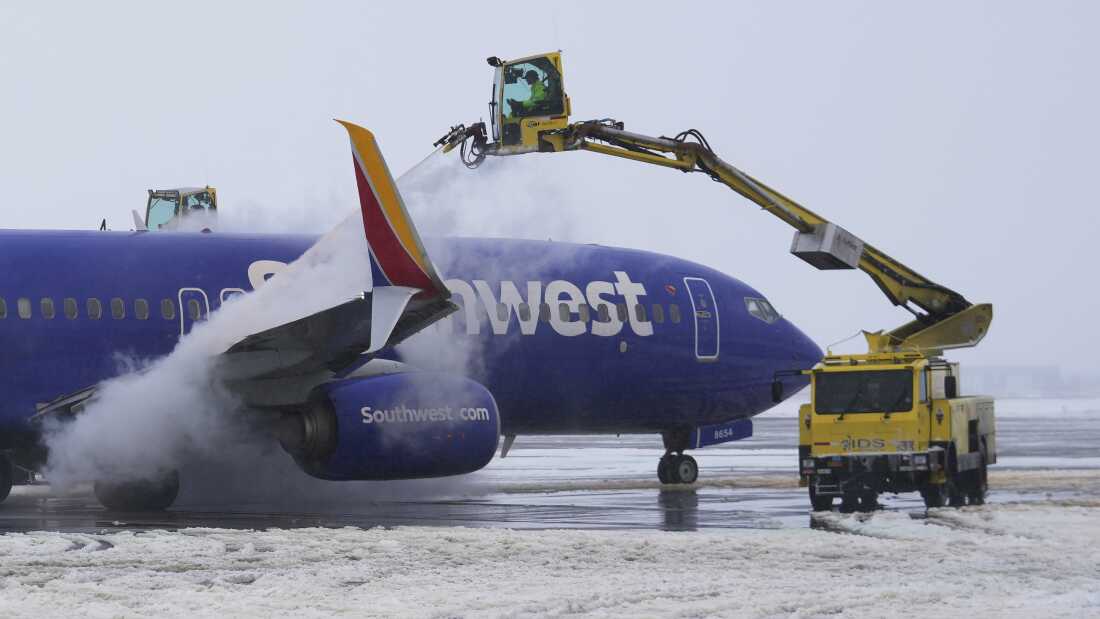
Unlike summer thunderstorms, winter storms can trigger long lasting disruption. De-icing queues, reduced runway capacity, and limited overnight recovery options can lead to cancellations that cascade well beyond the initial weather event.
From an operational standpoint, crew timeouts are often unavoidable during prolonged ground delays. While this can lead to passenger frustration, duty-time limits exist to prevent fatigue related safety risks. Once these limits are reached, airlines have little choice but to cancel flights.
The US domestic network, particularly in the Northeast, is also highly susceptible to weather disruption due to tightly scheduled operations and short aircraft rotations. During peak travel periods, such as weekends, there is limited spare capacity available to absorb widespread disruption.
While the scale of the impact has been severe, much of the disruption reflects the operational realities of winter weather rather than airline failure.
Even as conditions improve, airlines face a complex recovery phase. Aircraft and crew must be repositioned across route networks, meaning disruption is likely to persist into the week ahead.
Have questions or want to share your thoughts?