Norse Atlantic collapses, three years after we warned it might

By Airline Ratings Thu Nov 26, 2026
Norse Atlantic Airways is the latest airline to fail under soaring fuel costs, cancelling every flight and taking its booking engine offline only hours after telling investors that its financial position had become critical.
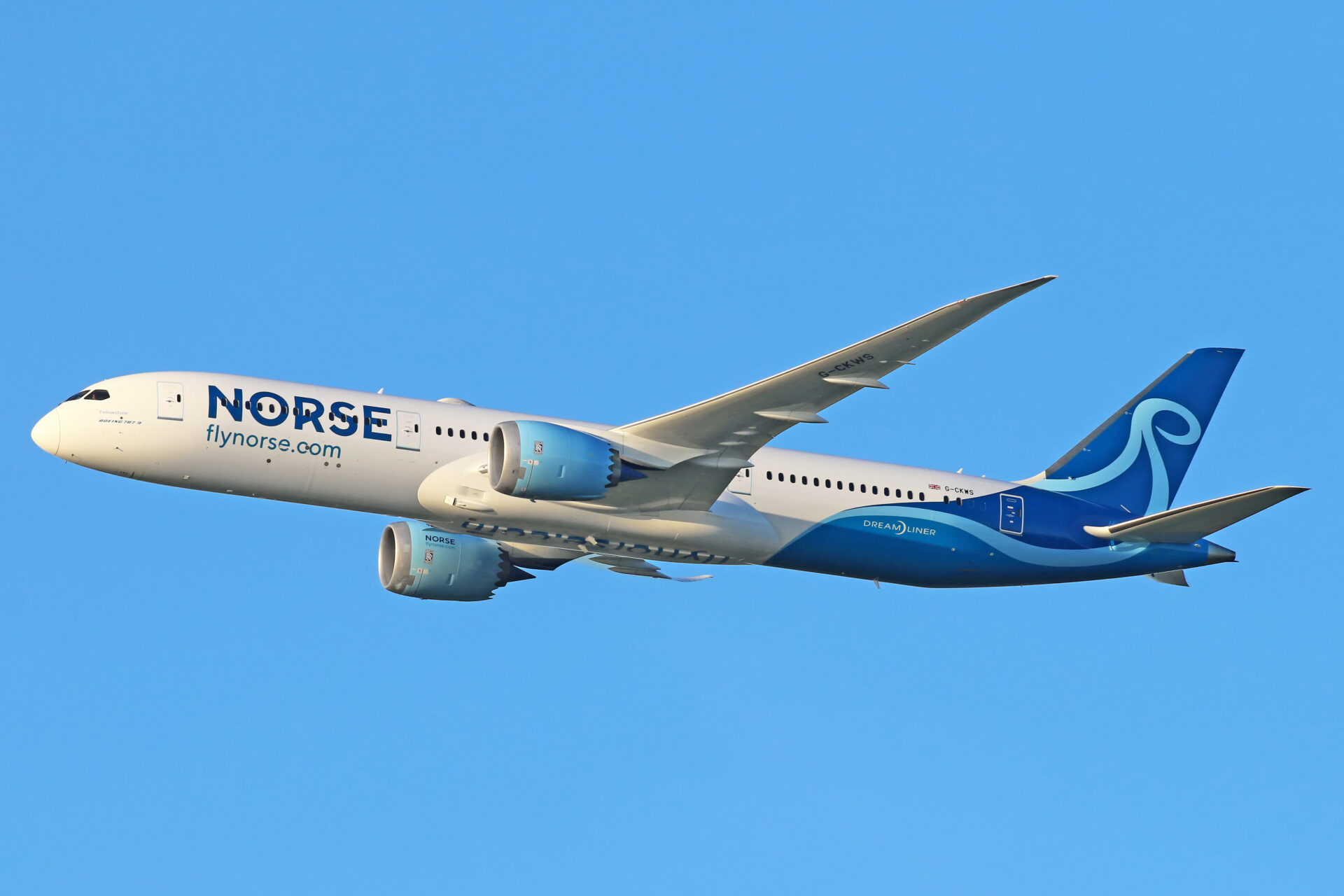
The Norwegian long-haul budget carrier said in an Oslo Stock Exchange filing on Wednesday 25 November that its survival depended on securing short-term financing. By late that evening flight tracking showed no Norse aircraft in the air, and Pakistan International Airlines, which wet-leased two of the airline's 787 Dreamliners, cancelled its London–Islamabad (PK786) and Manchester–Lahore (PK710) flights while passengers were still checking in.
Norse has not yet filed for bankruptcy, but with its fleet parked and its shares down as much as 86 per cent on the day, the industry is treating this as the end of the airline.
We saw this coming
When Norse said in November 2023 that it urgently needed $45 million to pay a key supplier, Sharon Petersen wrote that the airline was at risk of joining the list of low-cost transatlantic carriers that had failed. That list already included its predecessor Norwegian, along with WOW air and Primera Air, and three years later her warning has come true almost exactly as she described it.
Why Norse failed
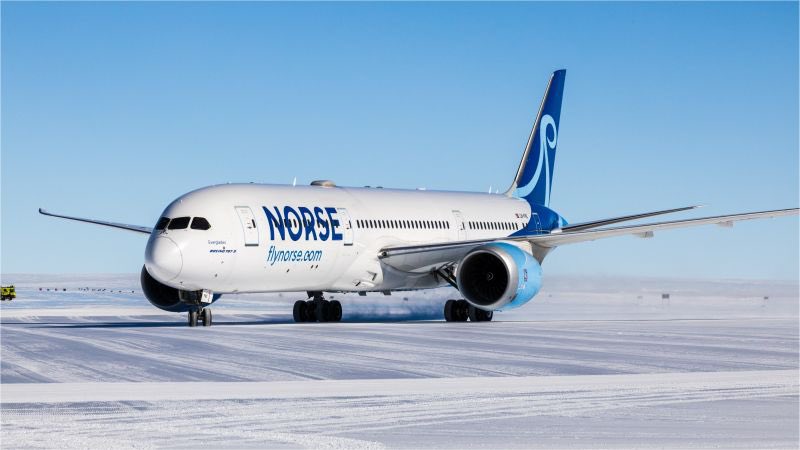
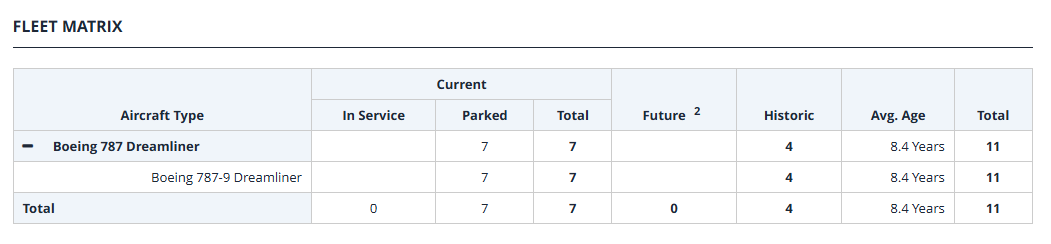
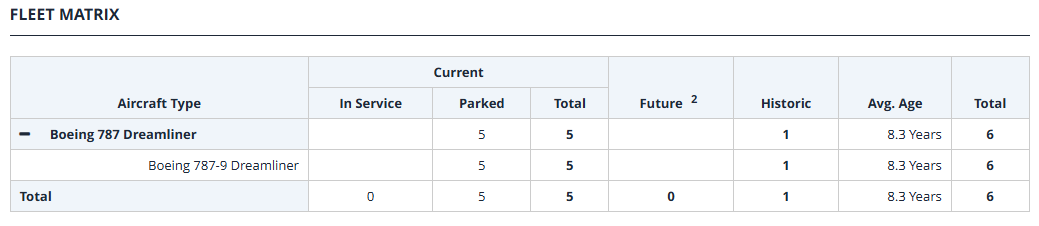
Norse launched in June 2022 with former Norwegian executives in charge and many of Norwegian's old 787 Dreamliners, betting that a leaner point-to-point model could make low-cost long-haul work where its predecessor had failed. It never recorded a full-year profit, posting a net loss of around $62 million in 2025 on revenue of $734 million, and from 2024 it increasingly leased its aircraft out to other airlines while cutting back its own flying.
Fuel did the final damage, because Norse never hedged its jet fuel. When the war with Iran broke out in late February, jet fuel climbed to around $155 a barrel by November, roughly 72 per cent higher than a year earlier, and Norse absorbed the full cost. The airline raised $110 million in equity earlier this year, took on bridge loans and launched a formal sale process in July, but none of it bought enough time.
The blow that finished it came on 1 November, when IndiGo ended its wet-lease of six aircraft and left half of the 12-strong fleet sitting idle while the lease payments kept falling due. By then Norse was flying just one US route, Orlando–London Gatwick, plus seasonal services to Thailand and South Africa.
Another airline down
Norse follows Spirit Airlines, which cancelled all its flights and began an orderly wind-down on 2 May, citing the spike in fuel prices as a key factor. On the same day Norse made its announcement, the boss of easyJet warned that more airlines could soon collapse because carriers that hadn't hedged their fuel were badly exposed.
What Norse passengers should do
Passengers holding Norse bookings shouldn't go to the airport. Anyone who paid by credit card should contact their card issuer first, as UK cardholders who paid between £100 and £30,000 can claim under Section 75, while debit card holders can ask their bank for a chargeback. Check whether your travel insurance covers scheduled airline failure, and if you booked Norse as part of a package holiday, go to your tour operator. Keep the receipts for any replacement flights you buy.
How Norse rated
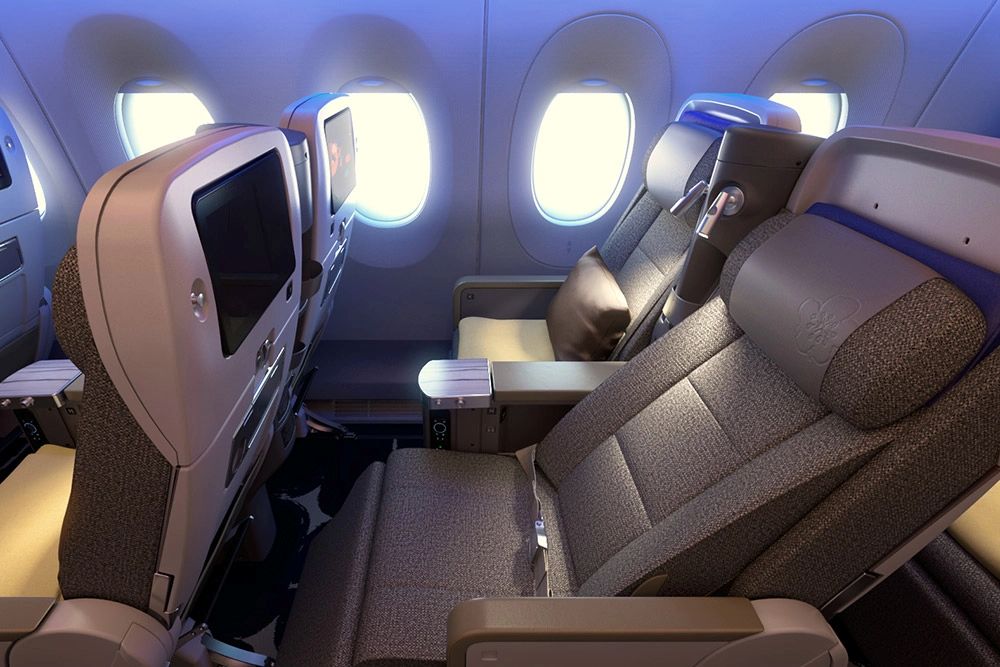
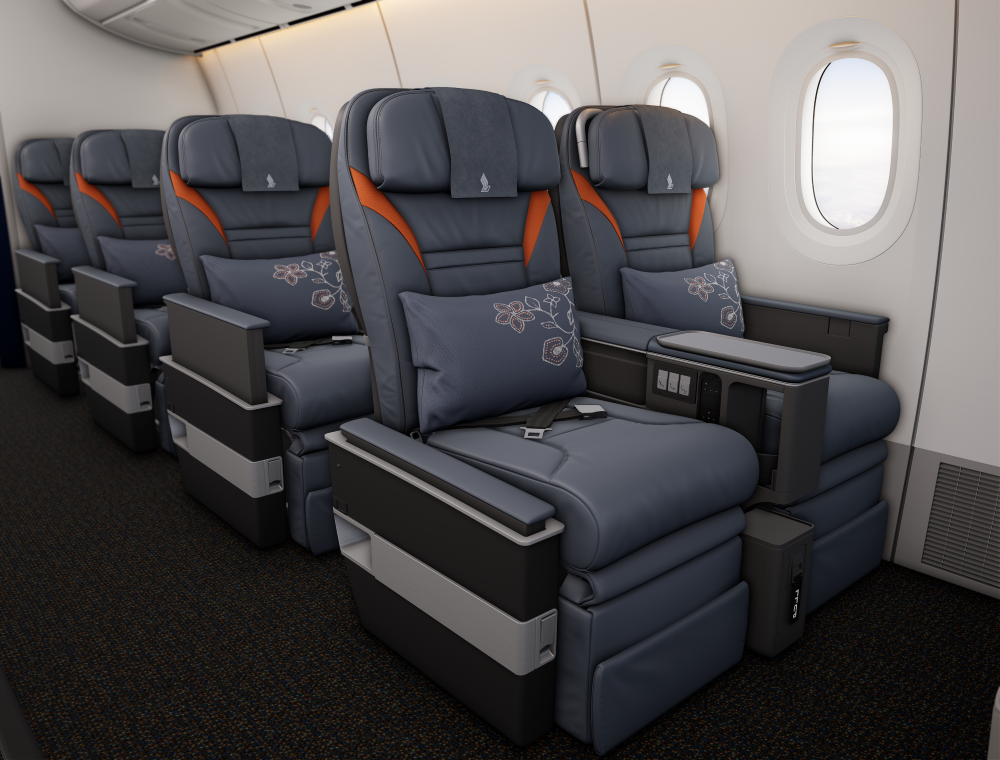
Before its collapse, Norse held a five-star safety rating and a four-star product rating with AirlineRatings, and its Premium cabin was a genuinely comfortable recliner that offered good value for the fare. The airline's delayed third-quarter report is due on 30 November, and that should make its fate official.
Have questions or want to share your thoughts?