Indonesia Air Transport ATR 42-500 wreckage found

By Josh Wood Mon Jan 19, 2026
Search and rescue teams have located the crash site of an Indonesian Air Transport ATR 42-500, following the loss of radar and radio contact with the aircraft on approach to Makassar, Indonesia, the previous day.
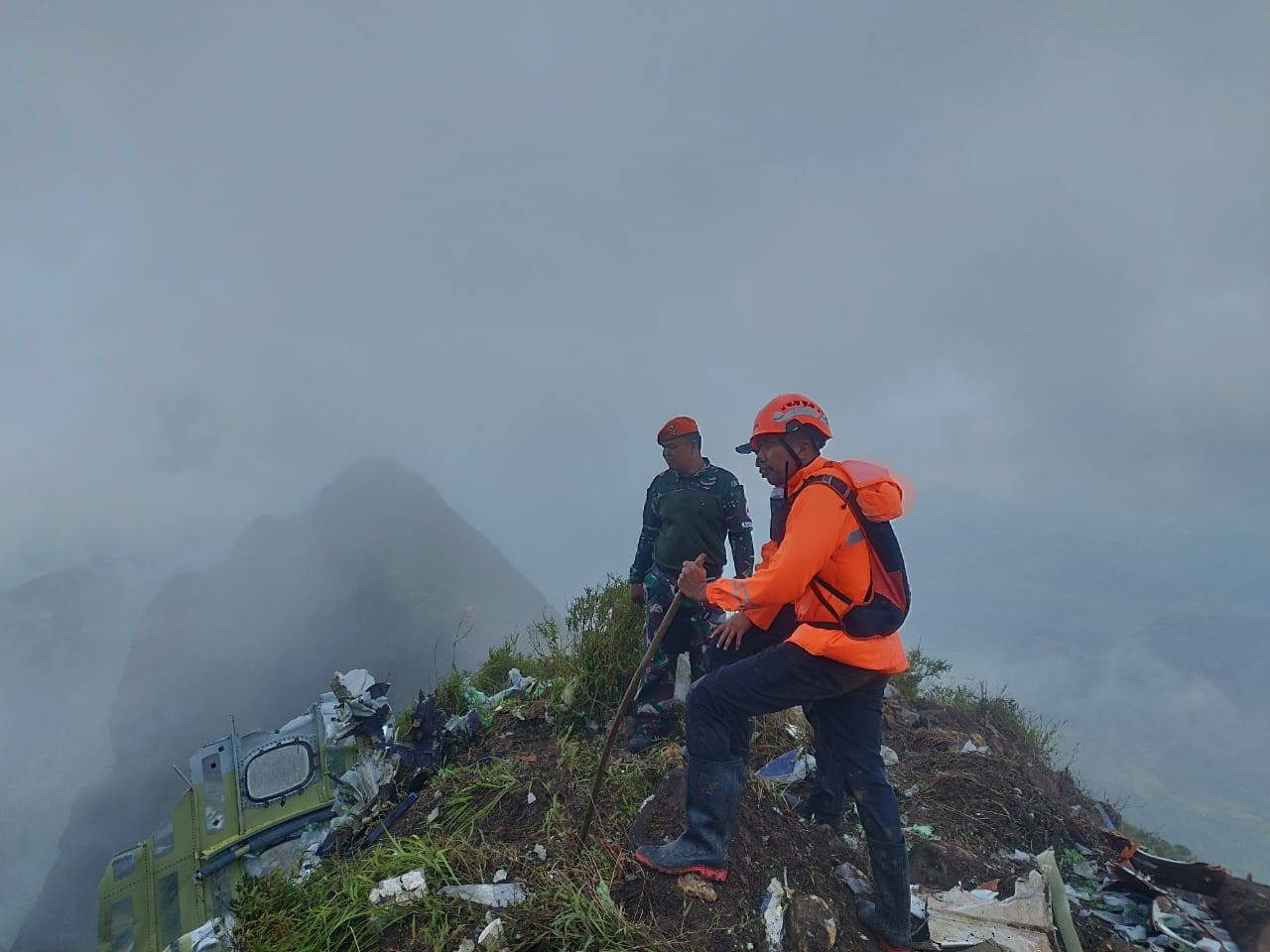
Despite extensive efforts by search and rescue teams in the densely forested and mountainous area, no survivors were found. The investigation now shifts to the recovery of bodies for the families and critical evidence that may help establish what occurred. At the time of this report, two victims have been found.
Before turning to the question of what may have caused the crash, we again extend our sincere condolences to all those affected.

What could have caused this crash?
At this early stage, the exact cause of the accident remains unknown, and authorities have not yet released preliminary findings. However, several key factors are expected to form part of the investigation.
Weather conditions at Makassar Airport at the time were reported as generally favourable, with good visibility and no significant meteorological phenomena typically associated with severe flight hazards. While localised conditions in mountainous terrain can differ markedly from airport weather reports, there is currently no indication of extreme weather at the time of the accident.
Indonesia's Civil Aviation Authority reported, the aircraft had already been cleared for an approach to Makassar's runway 21 when Air Traffic Control observed the aircraft was not on the correct approach path and redirected the aircraft onto the approach path, however radio and radar contact was lost about 11nm northeast of the threshold runway 21. This raises the possibility of navigation error, flight crew disorientation, or a technical issue affecting aircraft guidance systems.
The ATR 42-500 is equipped with a Ground Proximity Warning System (GPWS), designed to alert the flight crew to rising terrain through visual and audible warnings in the flight deck. Whether such warnings were generated, and how the crew responded, will be a critical focus of the formal investigation.
Indonesian aviation safety record
Indonesia has faced persistent aviation safety challenges over recent decades, influenced by its complex geography, high volume of domestic air traffic, rapid airline expansion, and operational demands in remote and mountainous regions.
High-profile accidents include Lion Air Flight 610, which crashed into the Java Sea in 2018, killing all 189 people onboard, and Sriwijaya Air Flight 182, which went down shortly after departing Jakarta in 2021 with 62 fatalities. The country has also experienced multiple turboprop accidents in terrain-challenged regions, often linked to controlled flight into terrain, weather variability, or procedural deviations, continuing to raise concerns around operational risk within the aviation sector.
READ MORE ON THIS CRASH: Indonesia Air Transport ATR 42-500 crash
Have questions or want to share your thoughts?