French Crash Investigator Slams Ethiopian 737 MAX Report

By Geoffrey Thomas Wed Jan 4, 2023
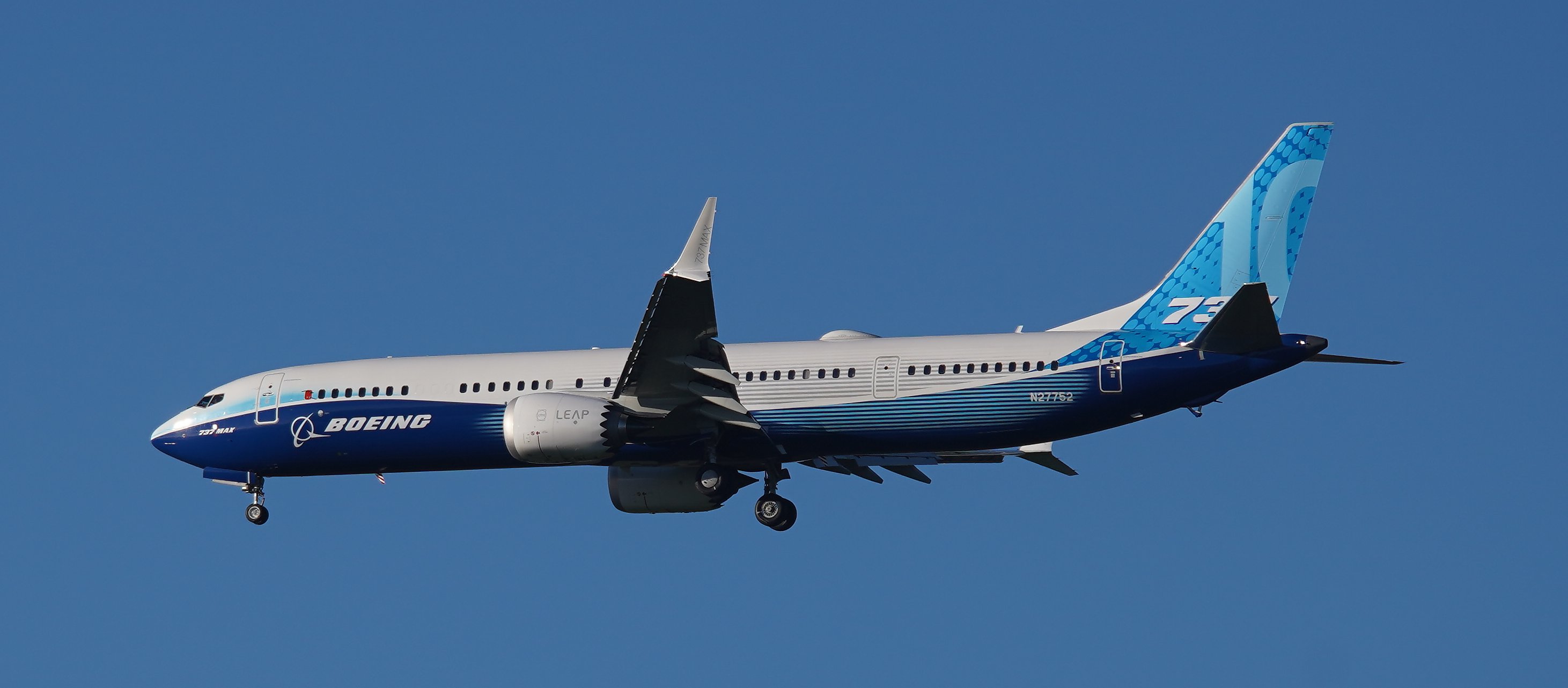
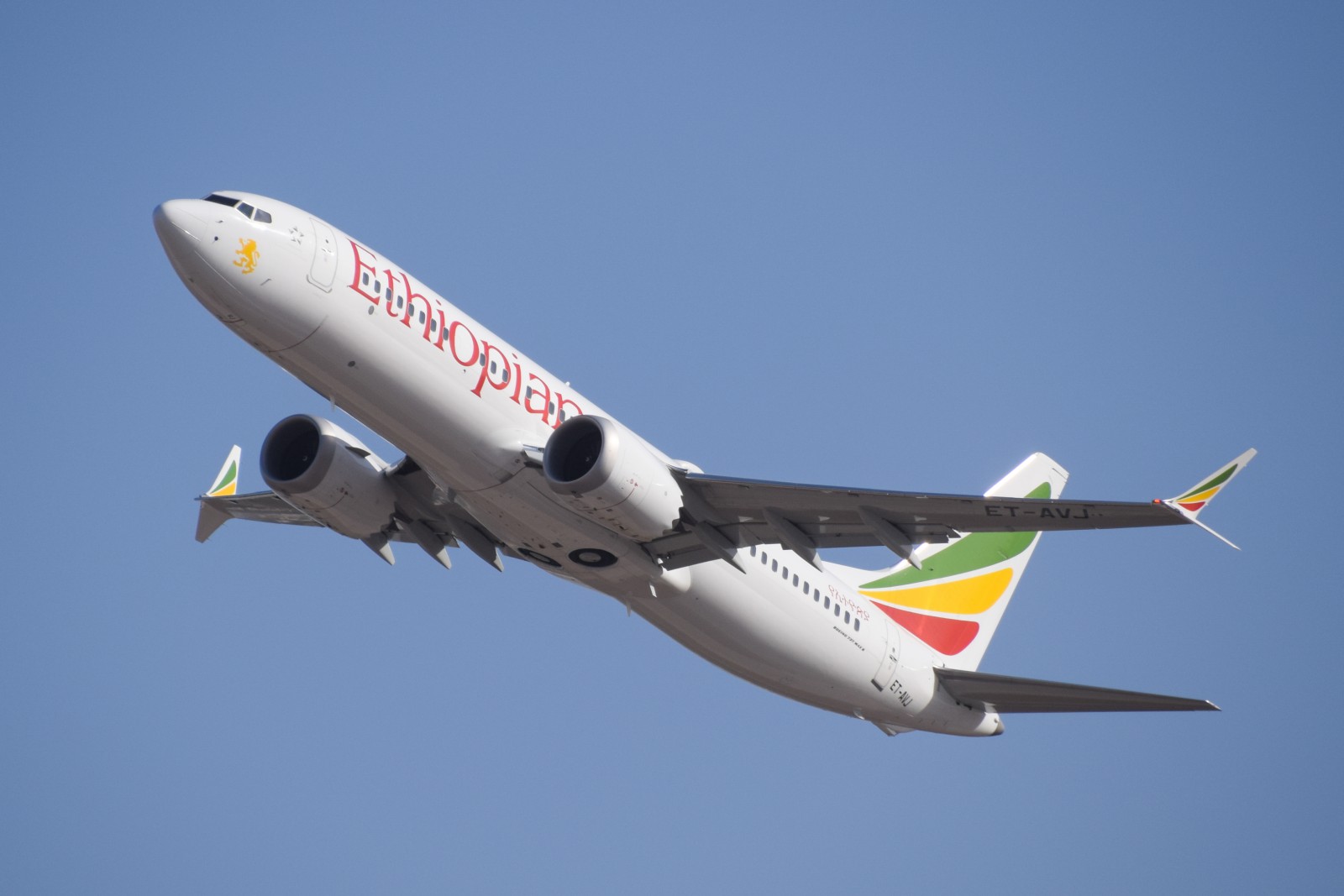
Flight International has reported that French investigators have said that the crew of the Ethiopian Boeing 737 Max which crashed almost four years ago experienced rapidly-developing stress from a stick-shaker alert on take-off, well before they found themselves fighting against the aircraft’s MCAS stabiliser-trim system.
Read the full Flight report here.
Subscribe to the Airlineratings.com newsletter to get the relevant news first
Travolta’s 707 is closer to its final home in Australia
BEA, which is a party to the investigation through the CFM engines that power the MAX, has identified numerous crew failings which started with the loss of an angle-of-attack sensor during take-off. That loss triggered the stick-shaker stall warning system.
The French investigator BEA said the stick-shaker should have alerted the crew to apply stall-recovery procedures from memory which included the applying nose-down input and disengaging the autopilot and autothrottle.
“Only the nose-down input was performed by the flight crew,” it states. “The autothrottle remained engaged and the pilot later insisted on engaging the autopilot.”
Flight reports that the BEA said that engineering simulations demonstrate that the pilots would have been presented with airspeed and altitude ‘disagree’ messages, and should have run a checklist for unreliable airspeed – which also requires autopilot and autothrottle disengagement, adopting a 10° nose-up pitch and a specific thrust setting.
But the Ethiopian Airlines captain did not disconnect the autothrottle of the 737 MAX and instead attempted to engage the autopilot, despite being below the autopilot height threshold set by the airline.
“This premature action, although not appropriate in stick-shaker conditions, may be symptomatic of a state of stress that had been rapidly developing following the activation of the [stick-shaker] immediately after take-off,” says BEA.
It says the first officer – who had just 300h experience – appears to have been “overwhelmed” by events from the point at which the stick-shaker triggered.
The authority claims parts of the cockpit-recorder transcript, which illustrate the first officer’s difficulties, have not been included in the final report into the 10 March 2019 accident.
“Coordination and the communication between the captain and the first officer were very limited and insufficient,” says BEA.
“There was no discussion nor diagnosis with respect to the nature of the events on board. The situational awareness, problem-solving and decision making was therefore deeply impacted.”
The lack of thrust reduction meant the aircraft accelerated to excessive speeds and made manual control against aerodynamic forces extremely difficult when the false angle-of-attack data, combined with other logic conditions, led MCAS to issue a series of uncommanded pitch-down inputs.
BEA argues that crew-performance aspects of the accident – particularly those which emerged before the MCAS activation – are “insufficiently addressed” by the Ethiopian investigation, comments which parallel recent remarks from the US National Transportation Safety Board.
The BEA and the US NTSB have called on the Ethiopian authorities to amend the final report on the March 10, 2019, of the crash of the 737 MAX to reflect human factors considerations and flight crew shortcomings.
Ethiopia’s Aircraft Accident Investigation Bureau (EAIB) led the investigation with French and U.S. participation.
Both have said that the report failed to address operational and crew performance in the report that solely blamed the aircraft's Maneuvering Characteristics Augmentation System (MCAS).
According to AINOnline "the BEA has called for the Ethiopians to add FIVE contributing factors related to the crew’s actions in the report, including the flight crew’s failure to apply the Approach to Stall or Stall Recovery Maneuver and the Airspeed Unreliable Non-Normal Checklist immediately after takeoff and before the first MCAS activation and the captain’s insistence on engaging the autopilot, contrary to the Approach to Stall or Stall Recovery manoeuvre procedure."
According to AINOnline the French BEA listed the following failings;
- The crew did not fully follow the procedure for addressing the activation of the left stick shaker because of an erroneous angle-of-attack value, most likely caused by a bird strike. "On the activation of the stick shaker, the flight crew must apply the Approach to Stall or Stall Recovery procedure, which is a memory item,” it said.
- “As described in the [Flight Crew Operating Manual/Quick Reference Handbook], the first steps in the Approach to Stall or Stall Recovery procedure are to hold the control column firmly, disengage the autopilot and autothrottle, and then smoothly apply a nose down input.
- Only the nose-down input was performed by the flight crew. The autothrottle remained engaged and the pilot later insisted on engaging the [autopilot].”
- Insufficient use of the electric trim to relieve the high control column forces after the MCAS nose-down orders.
- Captain’s lack of thrust reduction when the speed became excessive, which in combination with insufficient trim, caused an increase of the forces that became unmanageable on both the control column and the manual trim wheel.
- Faulted the airline’s use of the Logipad electronic flight bag system as the sole means to disseminate information related to the MCAS issued following the previous accident of a 737 Max—that of a Lion Air airplane on October 29, 2018. Because the Logipad system doesn’t allow the evaluation of the crew's understanding and knowledge acquisition of new systems and procedures, the airline could not ensure that the crew had read and correctly understood the information.
Have questions or want to share your thoughts?