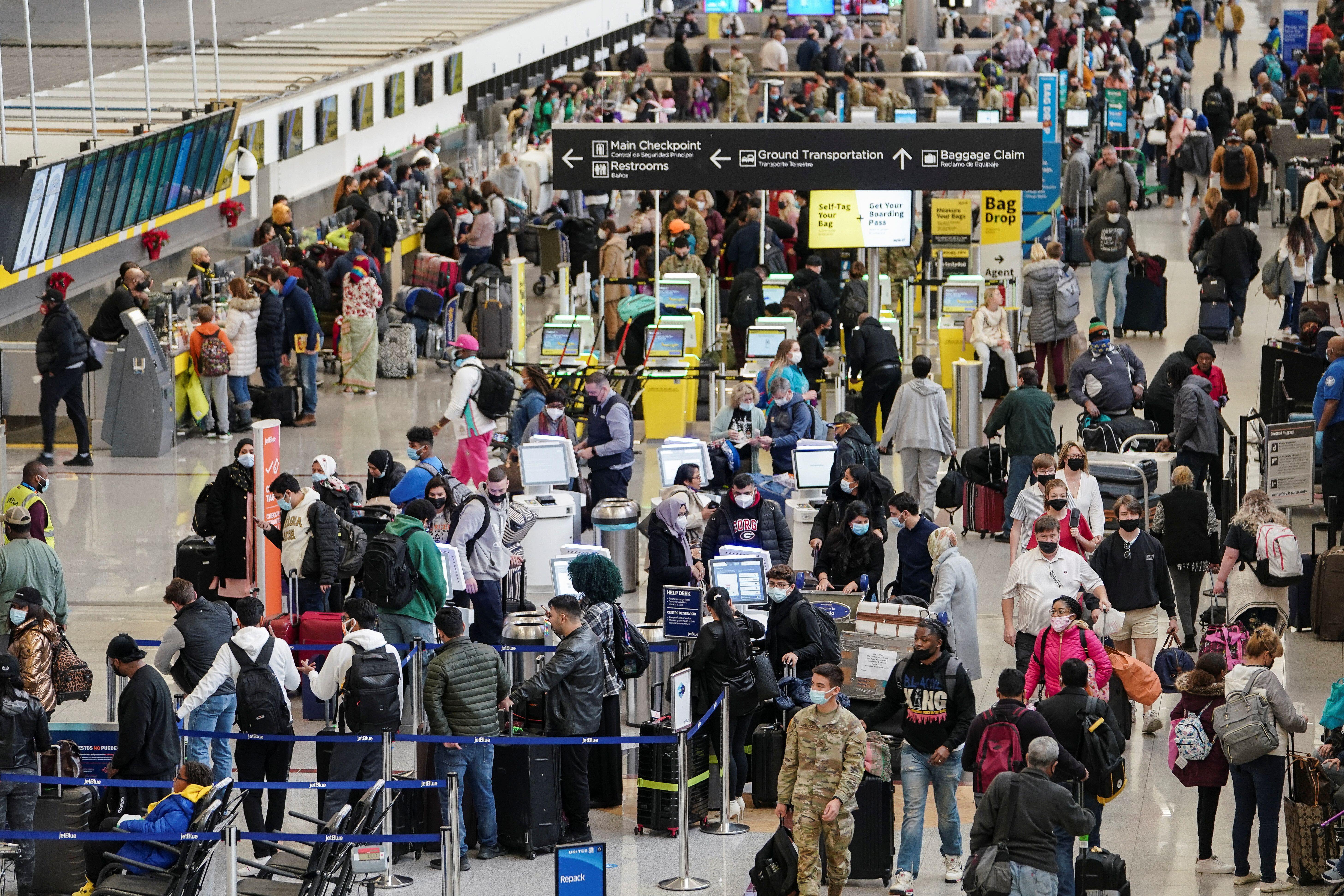
Busiest international routes of 2025

By Josh Wood Tue Jan 27, 2026
It is safe to say that international airline travel has firmly rebounded since the end of the global pandemic. Long-haul networks have stabilised, capacity has returned across most regions, and passenger confidence continues to strengthen in both leisure and business markets.
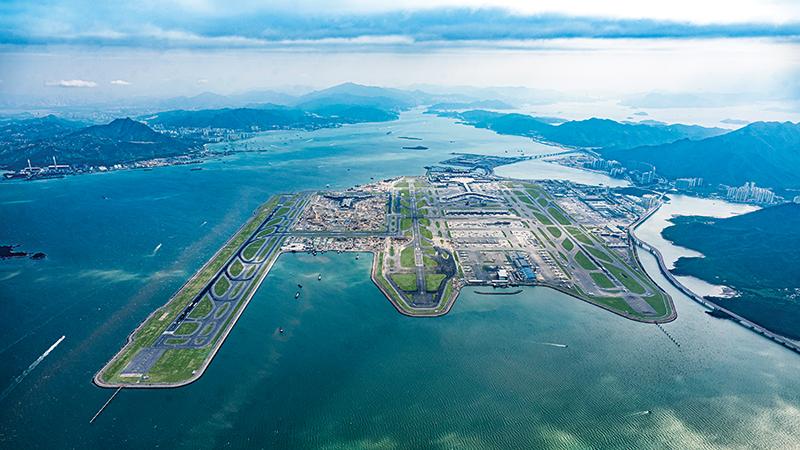
In 2025, the Hong Kong–Taipei (HKG–TPE) route retained its position as the world’s busiest international air route, with 6,829,184 available seats, according to OAG’s Schedule Analyser data. Notably, nine of the ten busiest international routes by capacity were located in Asia. Against this backdrop, 2025 has emerged as one of the most significant years for international aviation growth, recording the largest increase in international passenger volumes since 2019.
Busiest International Routes in 2025 by capacity
Rank | Route | Airports | Seats | 2024 Rank | 2025 vs 2024 |
1 | Hong Kong - Taipei | HKG-TPE | 6,829,184 | 1 | 1.7% |
2 | Cairo - Jeddah | CAI-JED | 5,700,768 | 3 | 5.0% |
3 | Kuala Lumpur - Singapore | KUL-SIN | 5,554,863 | 4 | 4.2% |
4 | Seoul Incheon - Tokyo Narita | ICN-NRT | 5,081,522 | 2 | -6.5% |
5 | Seoul Incheon - Osaka Kansai | ICN-KIX | 4,966,495 | 5 | -0.1% |
6 | Jakarta - Singapore | CGK-SIN | 4,602,961 | 8 | 13.4% |
7 | Dubai - Riyadh | DXB-RUH | 4,495,816 | 6 | 1.4% |
8 | Bangkok - Hong Kong | BKK-HKG | 4,117,224 | 7 | 0.5% |
9 | Tokyo Narita - Taipei | NRT-TPE | 4,033,713 | 11 | 1.6% |
10 | New York JFK - London Heathrow | JFK-LHR | 3,969,553 | 10 | -0.8% |
On the HKG–TPE sector alone, airlines offered a staggering 6.83 million seats during the year, representing a modest 1.7% increase compared with 2024. Despite this growth, capacity remains below the 2019 peak of 7.97 million seats, when the short 500-mile route firmly held its position as the world’s busiest international air link.
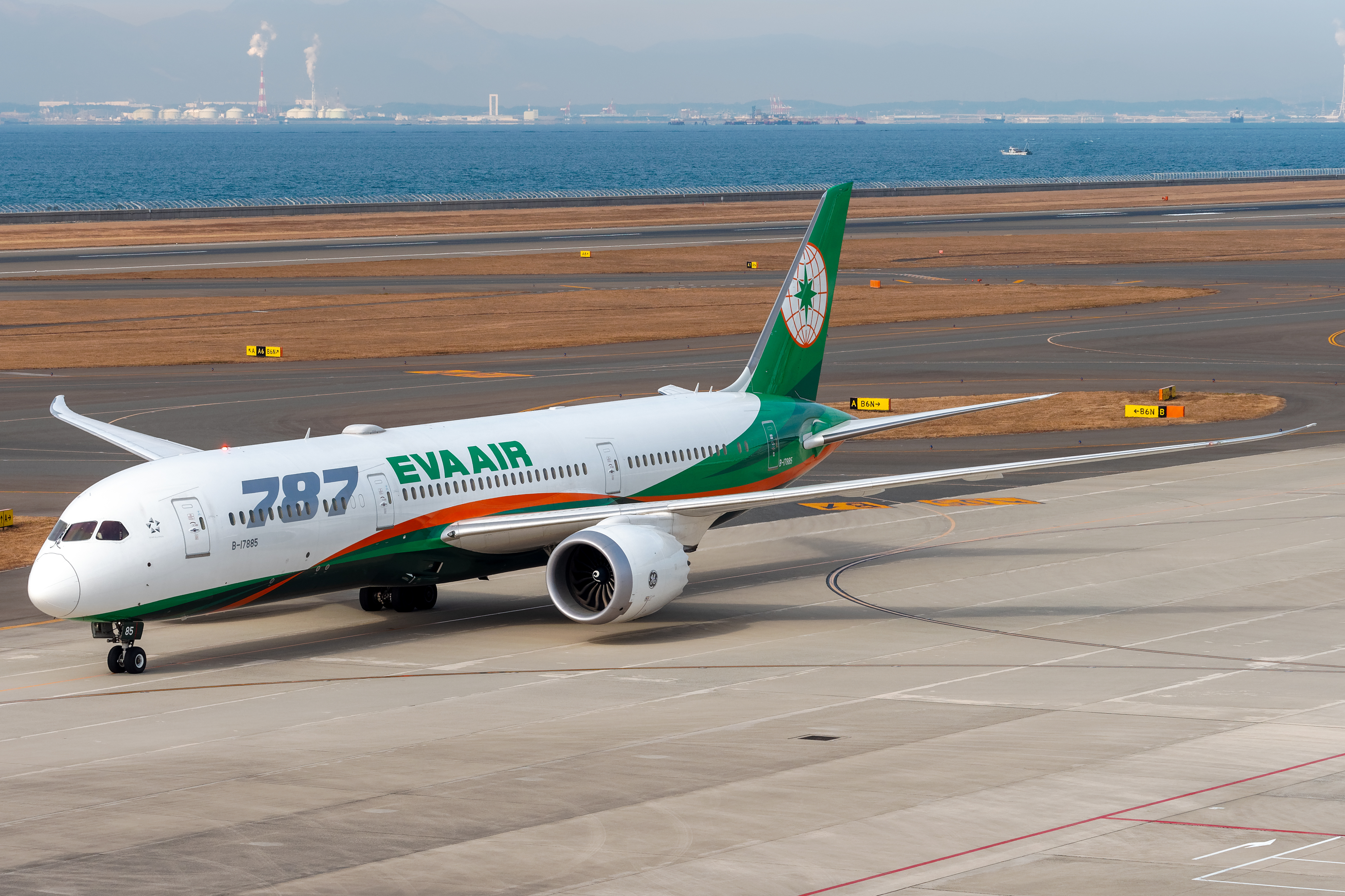
Competition on the route remains intense. Cathay Pacific leads capacity with a 39% share, followed by EVA Air at 20.9%, and Air China in third place with 13.1%, underlining the corridor’s strategic importance for both network and regional carriers.
Asia-Pacific region dominates the rankings
The 2025 rankings are overwhelmingly dominated by the Asia-Pacific region, which accounts for seven of the ten highest-capacity international routes by seat volume. Southeast Asia plays a particularly central role, with dense corridors such as Kuala Lumpur–Singapore and Jakarta–Singapore recording strong year-on-year growth of 4.2% and 13.4% respectively.
These routes benefit from liberal air service agreements, intense airline competition, and consistent high-frequency operations driven by a blend of business and leisure demand. Short sector lengths and strong point-to-point traffic allow individual city pairs to accumulate seat volumes that are difficult to replicate elsewhere.
In North Asia, several South Korea–Japan routes continue to feature prominently despite modest capacity reductions in 2025. These declines are less indicative of weakening demand and more reflective of airlines recalibrating schedules following earlier post-pandemic capacity surges. Core demand across these markets remains resilient, supported by strong economic ties, tourism flows, and limited viable alternatives to air travel.
Middle Eastern route continues to show growth
While only two Middle Eastern city pairs appear in OAG’s top ten, both reinforce the region’s continued importance in global air travel. Ranked second overall, the Cairo–Jeddah route recorded a robust 5.0% year-on-year increase in capacity, reflecting sustained demand driven by religious travel as well as significant labour movement between Egypt and Saudi Arabia.
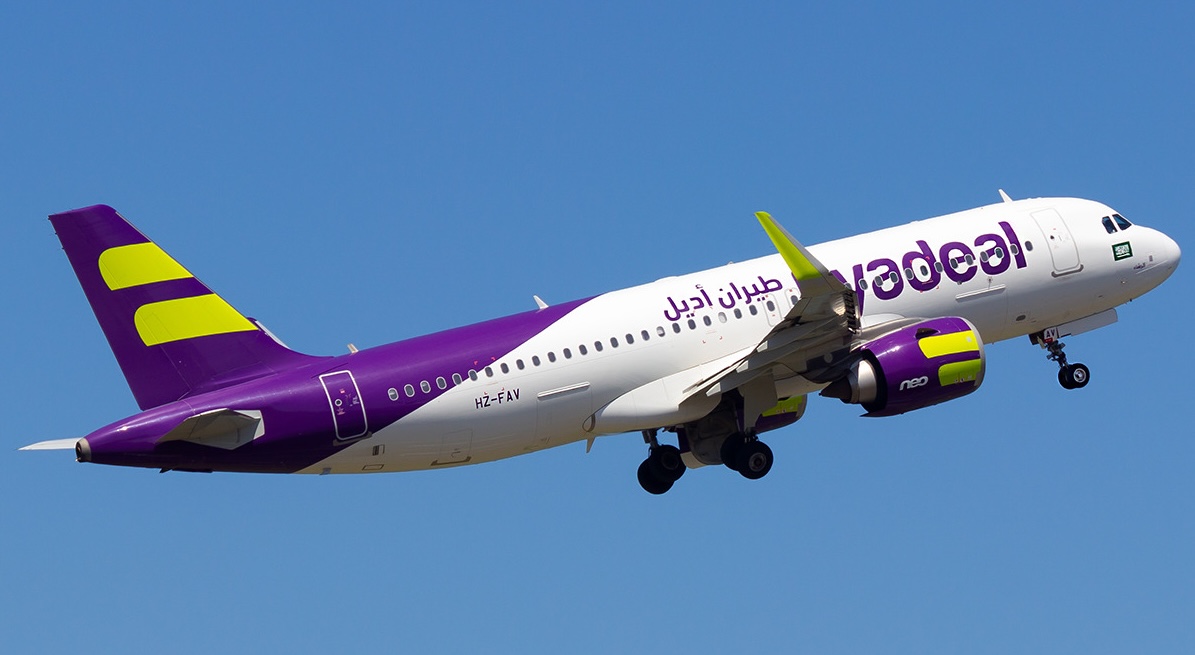
The route is served by a mix of full-service and low-cost carriers, including Egyptair, Saudia, flyadeal, and Air Arabia, resulting in high frequencies and strong year-round demand.
The second Middle Eastern entry, ranked seventh, is Dubai–Riyadh, which offered just under 4.5 million seats in 2025. While growth was more modest at 1.4% year on year, the route remains one of the region’s most important business corridors. Emirates alone operates up to five daily Boeing 777 services on the sector. Although the airline has previously deployed the Airbus A380 on the route, it now favours the Boeing 777, aligning capacity more closely with frequency and demand characteristics in this short-haul, high-volume market.
Europe and the US lag behind
Europe’s limited representation in the rankings reflects structural network dynamics rather than weak underlying demand. The only European sector to feature is New York JFK–London Heathrow, ranked tenth with just under 4.0 million available seats.
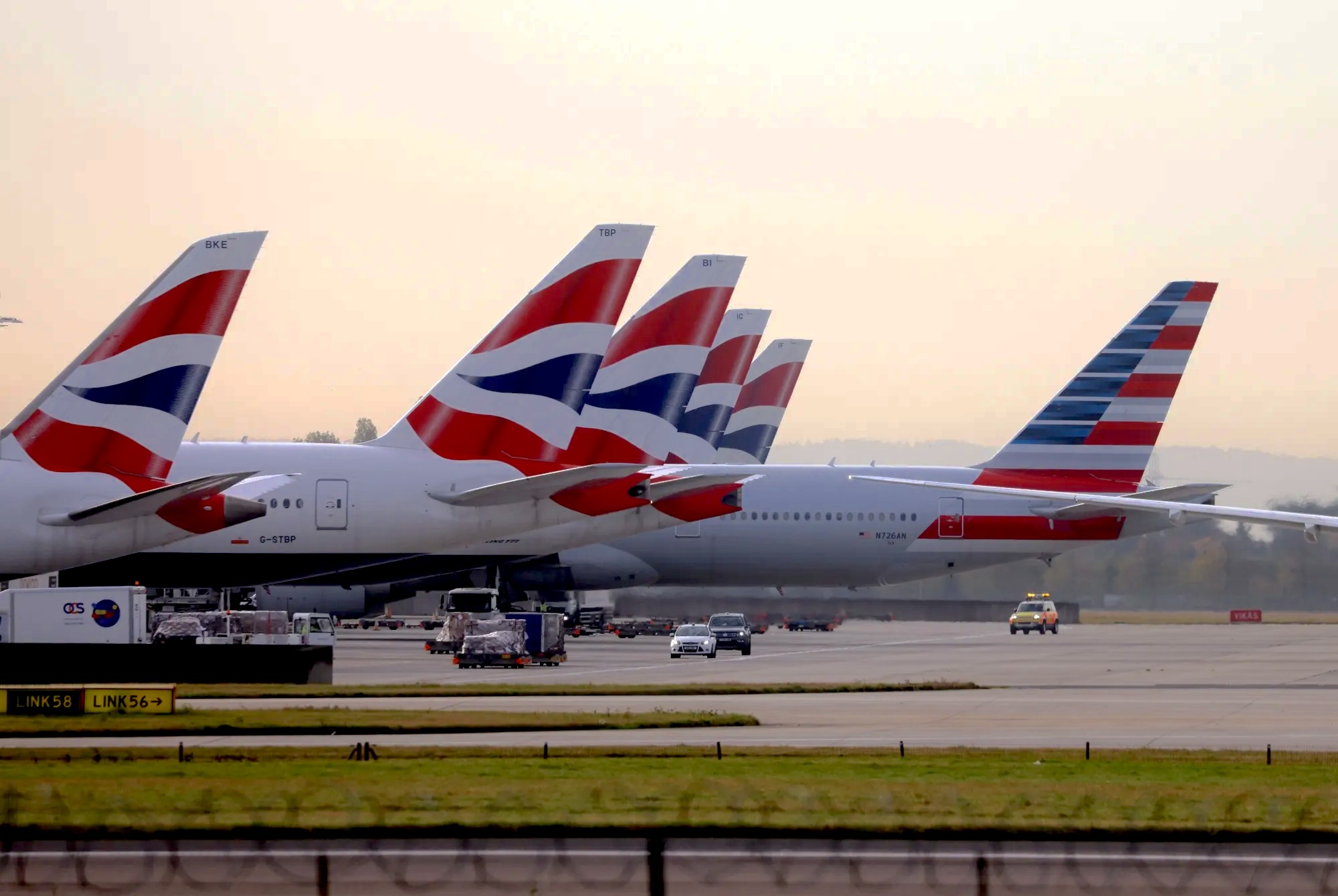
While airlines such as British Airways and American Airlines operate highly successful transatlantic joint ventures on the route, long-haul traffic between Europe and North America is inherently dispersed across multiple airports and alliance hubs. Crucially, the rankings assess each airport pair independently and do not include parallel New York–London services via Newark Liberty International Airport or London Gatwick, operated by carriers such as Virgin Atlantic and Norse Atlantic Airways.
This fragmentation suppresses individual route rankings and contrasts sharply with the Asia-Pacific region, where shorter distances, concentrated population centres, and liberalised regional travel frameworks allow single city pairs to generate substantially higher seat volumes.
The outlook for 2026
The 2025 rankings underline how international air travel growth is being driven less by long-haul flagship routes and more by high-frequency, short-haul international markets. Asia-Pacific continues to dominate due to dense population centres, short sector lengths, and network structures that support sustained high-frequency operations.
Looking ahead to 2026, these dynamics are unlikely to change. Growth is expected to remain focused on regional international corridors across Asia-Pacific, with selective expansion on Middle Eastern routes tied to business and labour travel. Europe and North America, meanwhile, are likely to remain underrepresented, as traffic continues to be spread across multiple airports and parallel long-haul markets rather than concentrated on single city pairs.
Have questions or want to share your thoughts?