Boeing 777 folding wingtips get FAA go-ahead

By Steve Creedy Mon May 21, 2018
Unique folding wingtips on the newest versions of the Boeing 777 have given the green light by the US Federal Aviation Administration but with conditions.
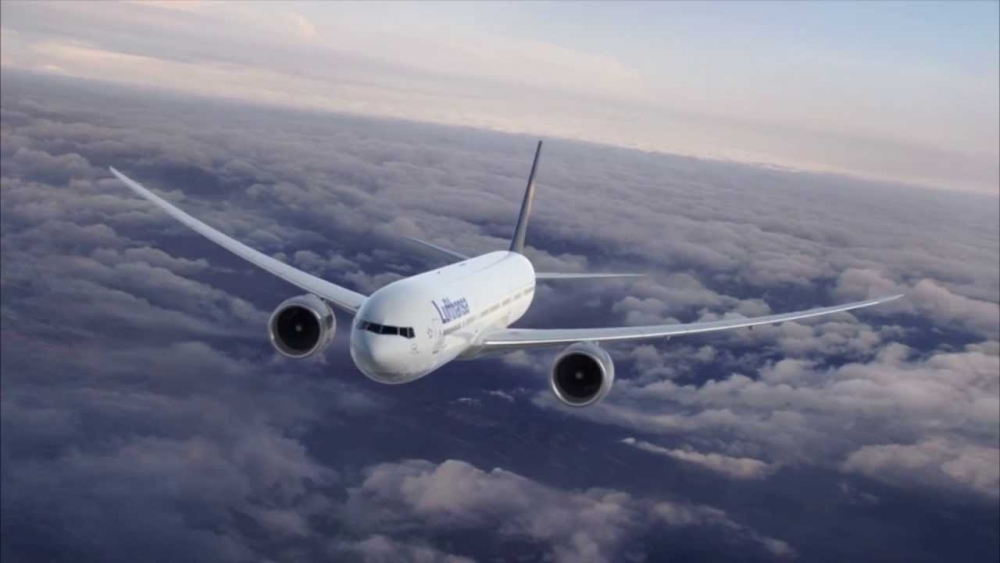
The new wings, assembled in a high-tech factory in Seattle, will be a major feature of the new jets, the Boeing 777-8 and Boeing 777-9, and a big contributor to their improved efficiency.
They will be longer than existing aircraft wings so the manufacturer has designed unique folding wing tips to reduce the wingspan from 235 feet (71.6m) to 212 feet (64.6m).
This is to allow the planes to fit into the current "Code E" gate designed to accommodate aircraft with wingspans between 170.6 ft (52m) and 213.3ft (65m).
The FAA is paying special attention to the wingtips because they were not envisaged when the regulations were drawn up.
The special conditions stem from the fact Boeing has determined that a “catastrophic event” could occur with both models if the wingtips were not properly secured and positioned for take-off.
It is required to prove that such an event is “extremely improbable”, cannot result from a single failure and that it has appropriate alerts to allow the crew to manage unsafe operating conditions.
It also has to show that the wingtips could be properly stowed during ground operations to protect ground personnel against injury.
“More than one means must be available to alert the flight crew that the wingtips are not properly positioned and secured prior to take off,’’ the FAA said in a government filing. “Each of these means must be unique in their wingtip-monitoring function.”
The regulator said Boeing must add a function to the take-off warning system to warn of an unlocked or improperly positioned wingtip and include an indication that the wingtip is folded during taxiing.
There must also be means to prevent take-off if the wingtip is not properly positioned or secured for flight.
Other conditions related to wear and tear on the wing tips, the positioning of lights and a requirement that the operating mechanism is designed to cope with 65-knot, horizontal ground gusts.
WATCH: spectacular cross-wind landings.
The wingtips also needed to be protected against unlocking from extended, flight-deployed position as a result of an in-flight failure.
There were also measures to isolate any power sources that could unlock the wingtips and to ensure latching and locking mechanism would remain locked under all flight load conditions.
Have questions or want to share your thoughts?