Asia-Pacific airlines urge action on safety oversight

By Steve Creedy Fri Nov 18, 2016
Asia Pacific airlines are “deeply concerned’’ about safety oversight in the region and want carriers facing bans because of inadequate national aviation regulatory systems to be given an opportunity to prove they are safe.
The Association of Asia Pacific Airlines, which represents a wide cross-section of the region’s airlines, used its assembly of presidents on Friday to reiterate its call on South-East Asia’s governments to respect the primacy of standards required by the UN-backed International Civil Aviation Organisation (ICAO).
It urged governments to strongly support the “No Country Left Behind’’ campaign which aims to address differences in regulatory oversight between countries by helping laggards improve safety oversight implementation and compliance.
AAPA expressed concern about authorities in foreign jurisdictions taking punitive action against airlines and holding them responsible for the shortcomings of regulatory authorities found to be deficient in audits.
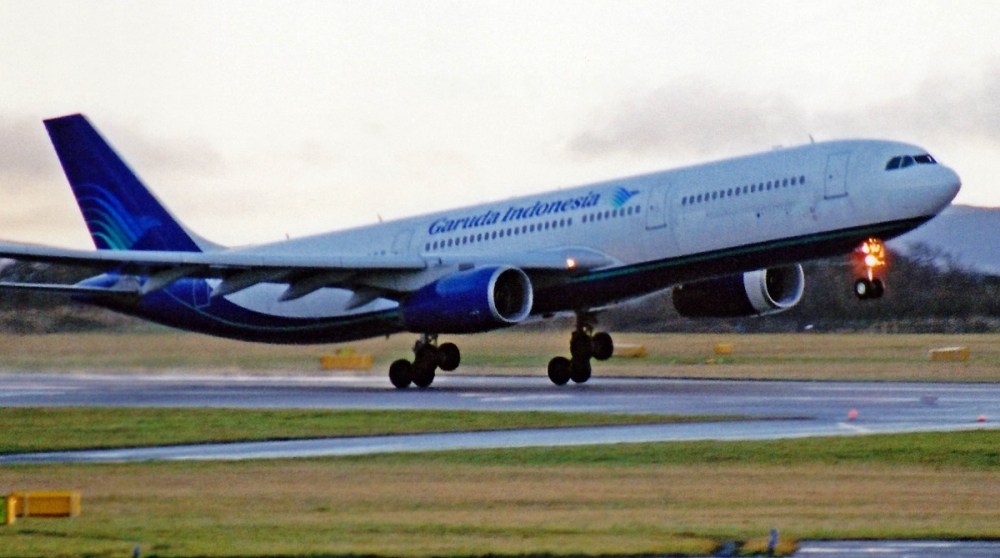
The issue arose in Indonesia were the country’s airlines were banned almost a decade ago from flying to the US and Europe because the national safety system failed to meet international standards and due to the nation’s poor record of air crashes.
Europe scrapped its flight ban on the nation’s flag carrier, Garuda Indonesia, in 2009 after it passed a series of international audits. Yet it was not until this year, when the US Federal Aviation Administration upgraded its safety rating for Indonesia to Category 1, that Garuda was able to fly to the US. Category 1 means that the FAA has found the country complies with international standards.
The Asia-Pacific airline group said any additional restrictions on airlines should be based on transparent criteria and strong evidence while considering their potential extra-territorial impact.
“AAPA also re-iterates the call on governments to allow foreign air carriers the opportunity to demonstrate that their safety systems and performance follow accepted international standards before imposing sanctions or restrictions on them,” it said.
Other areas of concern by member airlines, included government protectionism, security, the environment, taxation and health pandemics.
AAPA said it remained “resolute’’ in its determination to confront barriers imposed by governments that continue to threaten short-term profitability and maximum long-term potential.
The organisation also warned the travelling public was being burdened with a proliferation of government taxes and charges as well as imposts by monopoly services providers.
Some of these were in contravention to ICAO policy, it said.
“A number of airports and air navigation service providers (ANSPs) around the world have increased or are planning to increase user charges without proper consultation with stakeholders,’’ it said “ In addition, a number of governments have recently introduced or increased taxes on air travel including Australia's Passenger Movement Charge and the UK Air Passenger Duty.’’
The airlines called on government to adhere to ICAO polices and carefully consider “the overall economic effects of putting further financial strain on the travelling public and the aviation industry and to refrain from increasing the tax burden in any form’’.
On security, AAPA called for the development of better risk-based aviation security and for government regimes to better co-operate to avoid duplication.
It said government should promote the use of “available technologies’’ and dedicate enough resources to ensure inbound and outbound passenger processing works better.
The organsiation also endorsed ICAO’s move to introduce a global carbon offset scheme next decade to help meet the industry’s CO2 emissions targets.
“The Association goes further in urging governments in Asia to commit the necessary investment in aviation infrastructure to keep pace with growth in demand to ensure improvements in operational efficiencies and reduction in environmental impact,’’ it said.
Members of AAPA include Singapore Airlines, Cathay Pacific, Thai Airways International, Korean Air, China Airlines, Asiana and Malaysia Airlines.
Have questions or want to share your thoughts?