Airbus At 50: Success Beyond Wildest Dreams
By Geoffrey Thomas Thu Oct 27, 2022
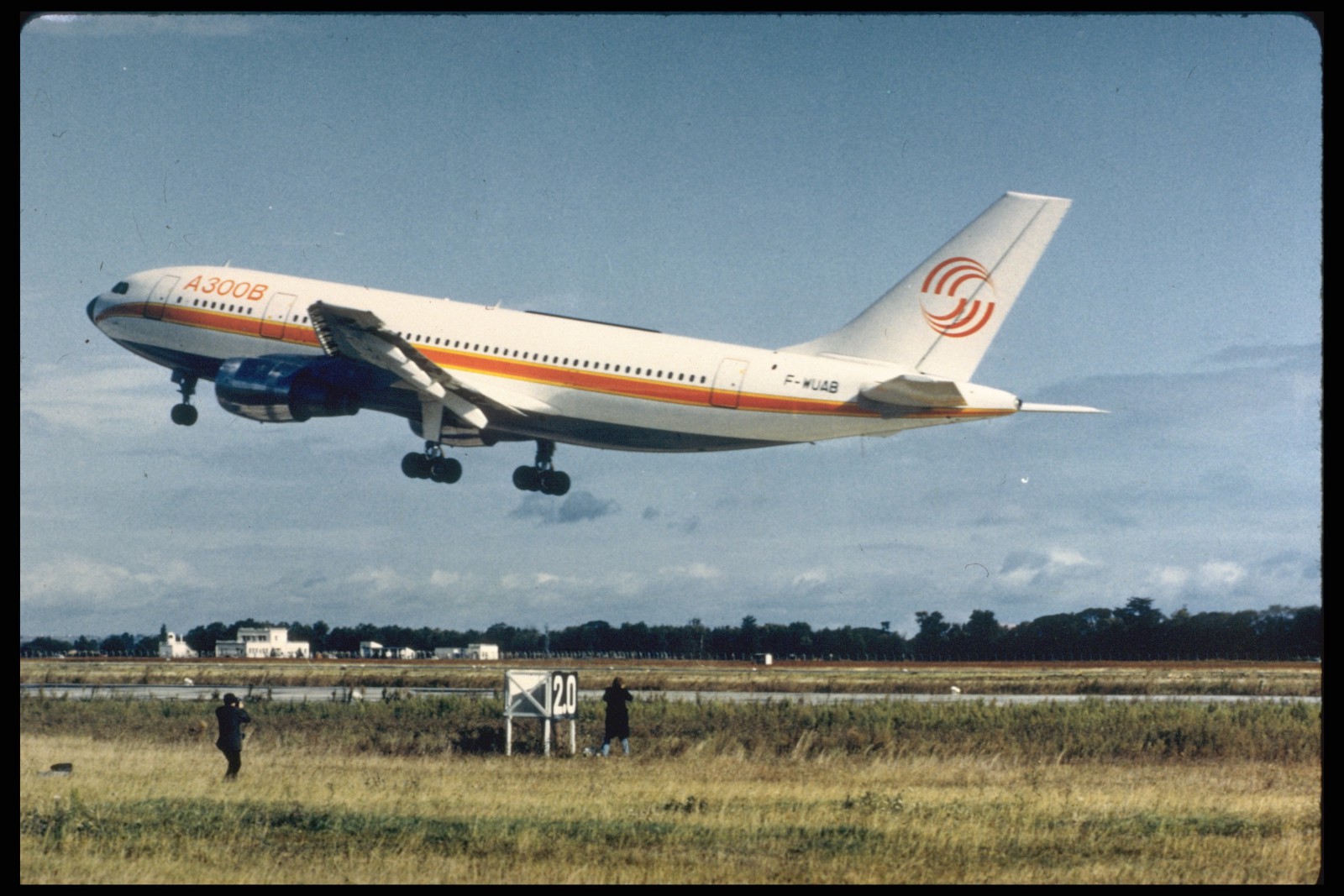
When Airbus’s first commercial aircraft, the 250-passenger A300B, took off 50 years ago Friday (October 28) nobody in their wildest dreams could have imagined the success that would follow.
In fact, when the A300B was rolled out a month earlier the over 1,000 assembled guests and politicians were more interested in the Concorde which was on show for the occasion.
Subscribe to the Airlineratings.com newsletter to get the relevant news first
Virgin Australia’s amazing middle-seat lottery
Easyjet brings back the Fearless Flyer course
“When the guests were finally allowed to gather under the two planes for a closer look,” Airbus test pilot Bernard Ziegler later recalled, “everyone made a mad dash… for the Concorde.”
In the early 1970s supersonic travel was still uppermost as the future of travel, not some “big cow” as one Airbus director put it. But that big cow would start a revolution called the big twin.
At the time commercial aviation was dominated by the giant aerospace companies on the west coast of the US — Boeing, McDonnell Douglas and Lockheed, which accounted for more than 95 per cent of all aircraft sold.
Through the 50s and 60s, Europe’s aviation landscape was dysfunctional with many small companies mostly producing runs below 50, while the US giants built aircraft in the hundreds and thousands. Britain, France, Germany, the Netherlands, Sweden and Italy had excellent design and engineering capabilities but unity was the issue as well as the scale of the local market.
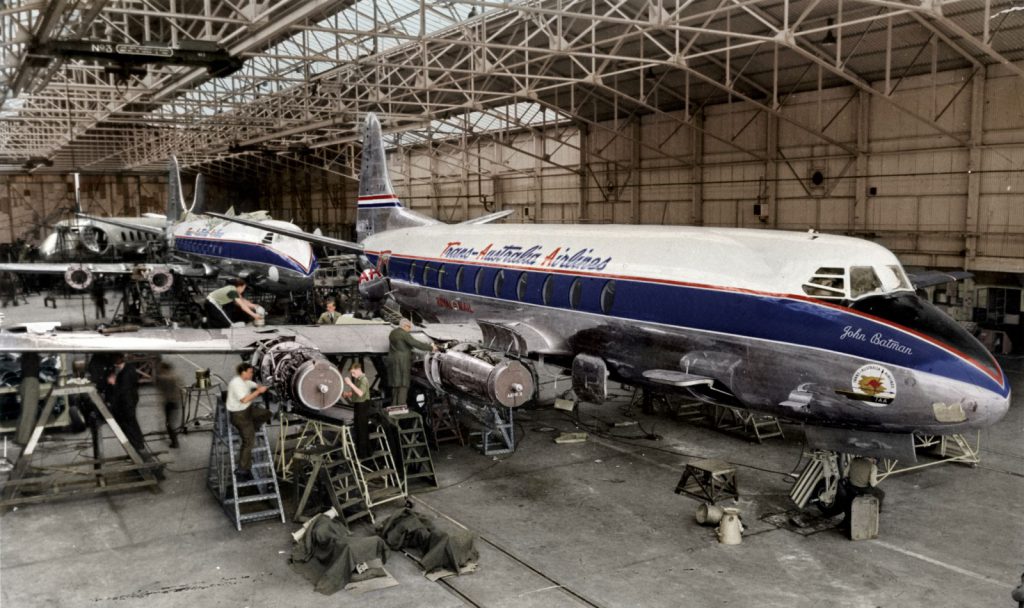
Only the Vickers Viscount (below) the Sud Aviation Caravelle, Fokker’s F-27 and F-28 and the BAC1-11 had established themselves as truly successful programs.
For years, Europe had searched for ways to cooperate to combat the dominance of the US airline industry. By the late 1960s, the economic reality of cooperation overcame national pride. France started the Airbus program in 1966 to meet a specification from American Airlines for the twin-engine aircraft that would fly medium ranges with 250 passengers. That same year France, Germany and Britain agreed to cooperate on the Airbus project and by April 1967 funds were flowing into the project.
Airbus had a host of barriers to overcome, including import duty into the US, lack of a track record, airlines bloated with 747s, DC-10s and Tristars and the fuel crisis of 1973. The A300, however, was the right aircraft for the airlines, burning 25 per cent less fuel per passenger than the 727-200, which it was designed to replace. And as a bonus, it could haul 2.5 times more cargo than a 727. By the mid-1970s, Airbus was starting to be noticed and sales slowly built for the A300 and the smaller A310.
In the 1980s it launched the single-aisle A320, then the A330, and the four-engine A340.
Up to 1999, the company sold more than 4,000 jets across a number of designs, and it had seen off both McDonnell Douglas and Lockheed. In 2000, Airbus launched the A380 — the world’s biggest commercial passenger aircraft.
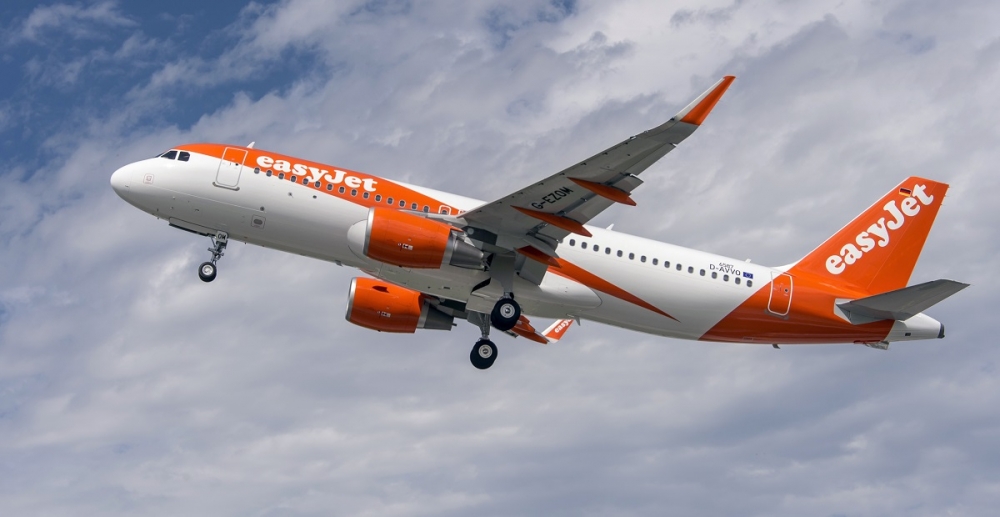
However, it is the smallest member of the Airbus family, the single-aisle 180-230-seat A320 family, that has stamped it as a powerhouse. It was first delivered to Air France in 1988 and by 1999 Airbus had built 1,142. With the explosion of the low-cost airlines from 2000 onwards, the number has skyrocketed to 10,516 delivered with 6,115 on the backlog.
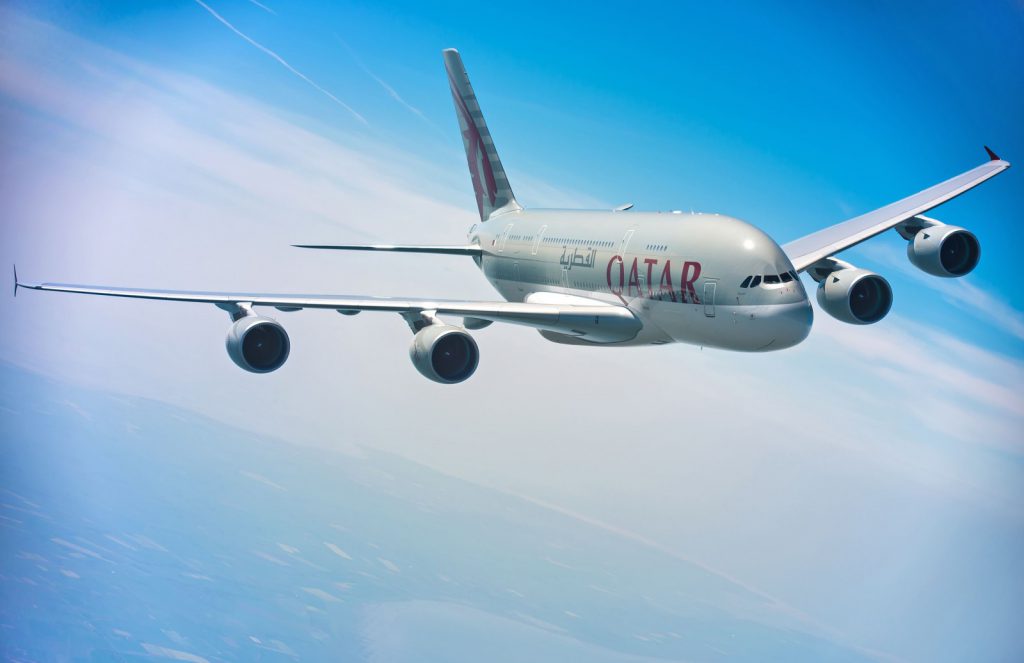
Although the A380 has not seen the success Airbus had hoped for and was cancelled in 2019 with a production run of only 251, other big wide-body models such as the A330 and the A350, used by Singapore Airlines and Cathay Pacific Airways, have been runaway successes.
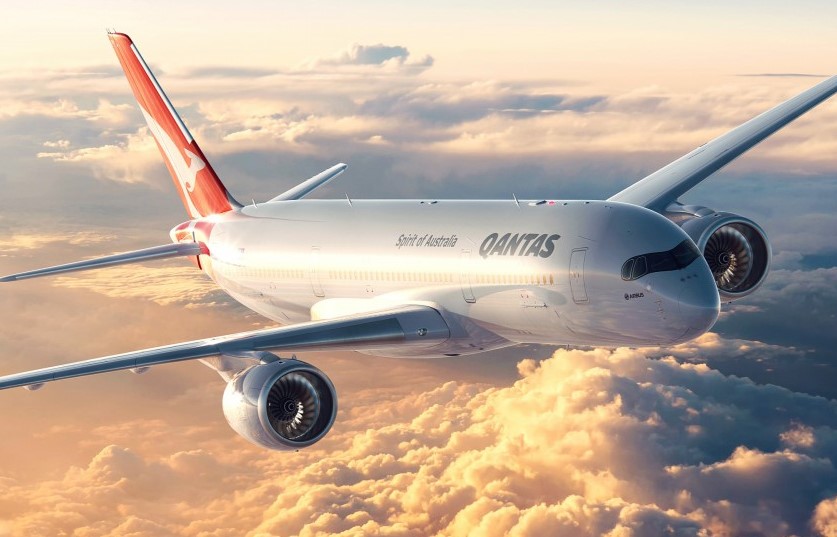
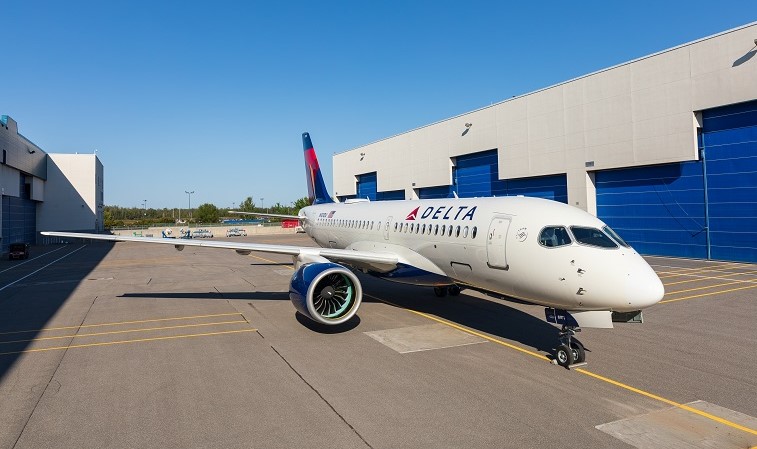
The A350 was selected by Qantas for its Sunrise Project this year along with an order for up 135 Airbus A320s and A220s. Qantas once a passionate all-Boeing airline will in the next decade be an almost all-Airbus airline.
Airbus now has a 63 per cent market share of the commercial market backlog with 7,294 orders and has evolved into a truly multinational company with space and defence as well as helicopter divisions and has 180 locations and 12,000 direct suppliers globally.
Not in their wildest dreams could the founding fathers of Airbus, Roger Beteille, German aerospace manufacturing genius Felix Kracht, Aerospatiale chairman Henri Ziegler and German politician Franz-Josef Strauss have imagined what heights Airbus would reach.
Have questions or want to share your thoughts?