AirAsia X low cost flights to London are back!
By Josh Wood Thu Feb 12, 2026
Malaysian long-haul low-cost carrier AirAsia X is set to resume flights to London Gatwick after a 13 year hiatus marking one of the most notable long-haul route restorations of the post-pandemic era.
The service will mark the airline’s first UK operation since 2012 and restore access to the European market following a 13-year hiatus. The route will operate via Bahrain using an Airbus A330-300. It also reflects a strategic shift in AirAsia X’s approach to ultra-long-haul flying, restructuring a previously uneconomical sector into one that better aligns with the operational model and cost structure of a long-haul low-cost carrier.
Flights will depart Kuala Lumpur at 22:00, arriving at London Gatwick at 07:25 the following morning. The return service will depart Gatwick at 10:25, arriving back in Malaysia the next day at 09:55. Both directions include a technical stop in Bahrain.
Why AirAsia X left Europe in the first place
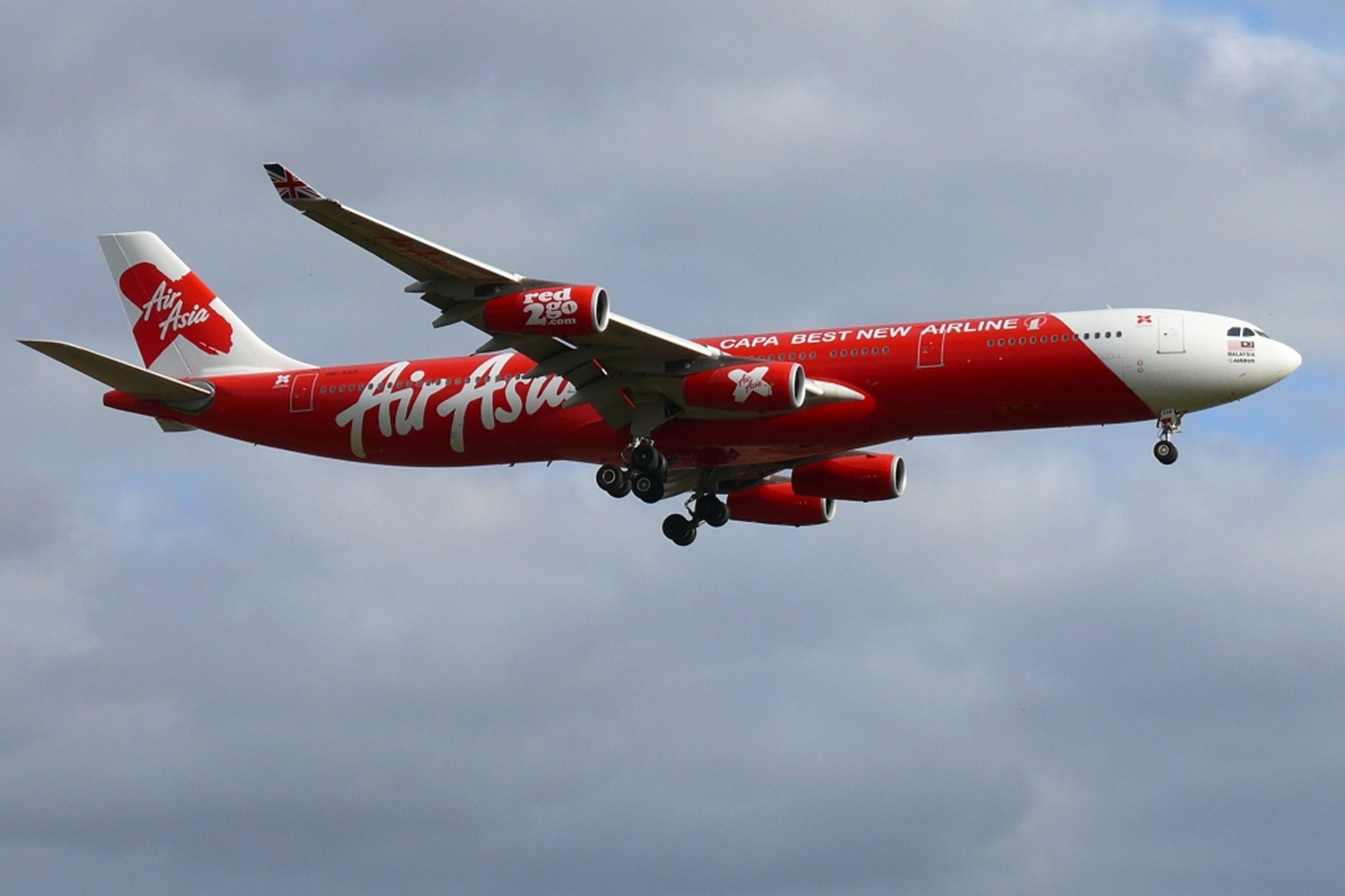
AirAsia X first entered the UK market in 2009, operating flights between Kuala Lumpur and London Stansted using its now retired Airbus A340-300 fleet. At the time, the airline was attempting one of the aviation industry’s boldest ideas being long-haul, low-cost travel.
The model, while popular with passengers, proved highly sensitive to fuel prices. The four-engine A340 incurred significantly higher fuel burn and operating costs, making it difficult to sustain low fares on flights exceeding 13 hours. Although demand remained strong, revenue per seat was insufficient to cover the cost of operating such a long sector.
By 2012, AirAsia X withdrew from both London and Paris, instead concentrating on markets across Asia and routes to Australia where aircraft utilisation and costs were easier to maintain.
Why the Bahrain stop is key
The Kuala Lumpur–London sector stretches to roughly 10,600 kilometres (6,500 miles), placing it at the edge of what the Airbus A330-300 can commercially operate in a high-density seating configuration. When fuel reserves, headwinds, payload, baggage, and crew duty limits are considered, a non-stop flight would severely restrict the number of passengers the airline could carry.
The stop in Bahrain is critical for operational reasons. At this distance, a non-stop flight would limit how many passengers and bags the aircraft could carry. Breaking the route into two sectors allows the airline to operate the service with a full load and maximise profits.
Why Gatwick fits the airline’s strategy
Heathrow’s slot constraints and high operating charges make it difficult for low-fare long-haul carriers to operate profitably. Gatwick has progressively become London’s primary airport for leisure long-haul travel and price-sensitive passengers, with airlines such as Norse Atlantic flying a similar route to Bangkok.
The airport also supports AirAsia’s broader network strategy. Kuala Lumpur functions as the group’s major connecting hub, allowing passengers to self-connect of use fly thru on to destinations across Southeast Asia and Australia including Thailand, Indonesia, Vietnam, the Philippines and Perth.
AirAsia X A330-300 seating configuration and onboard experience
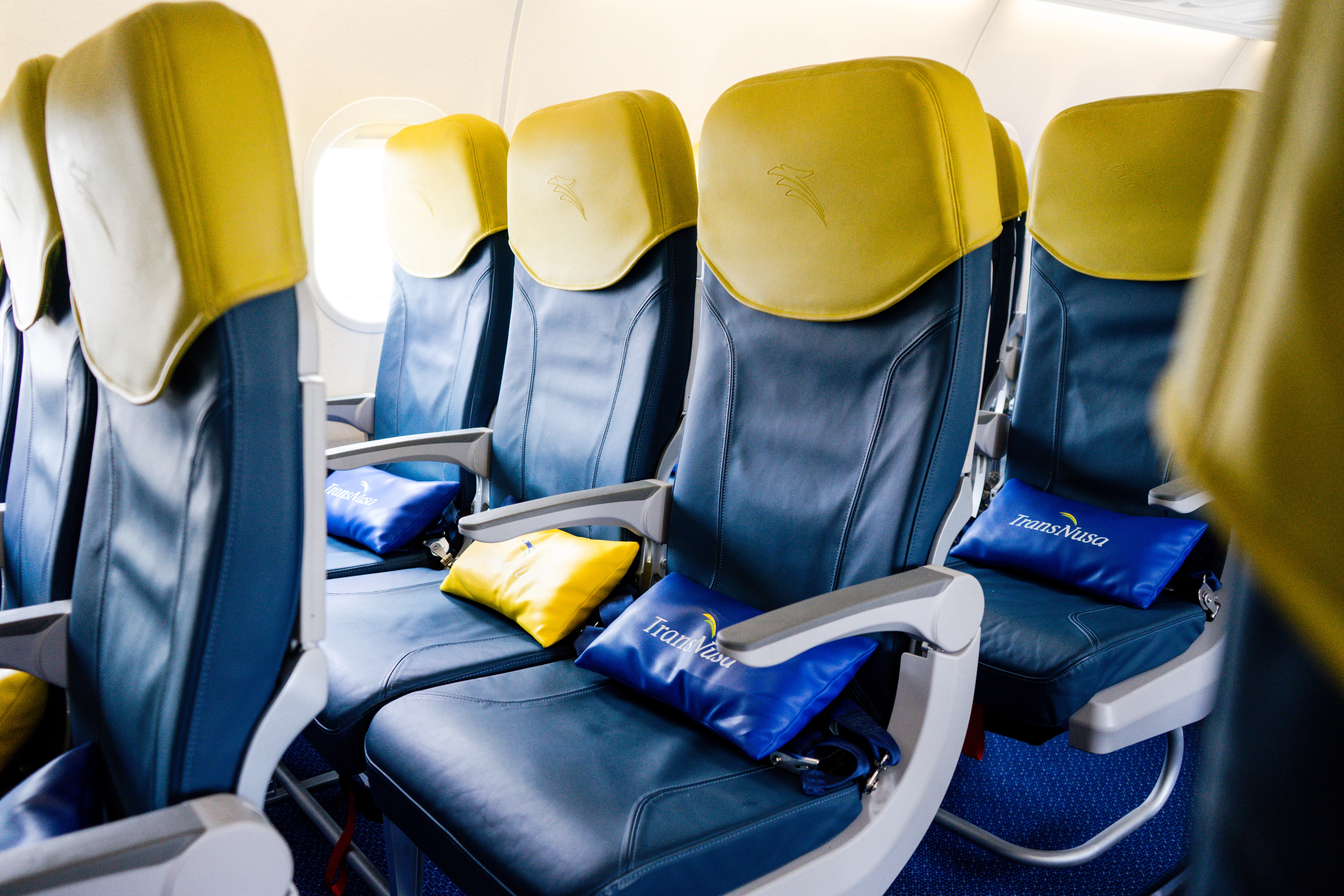
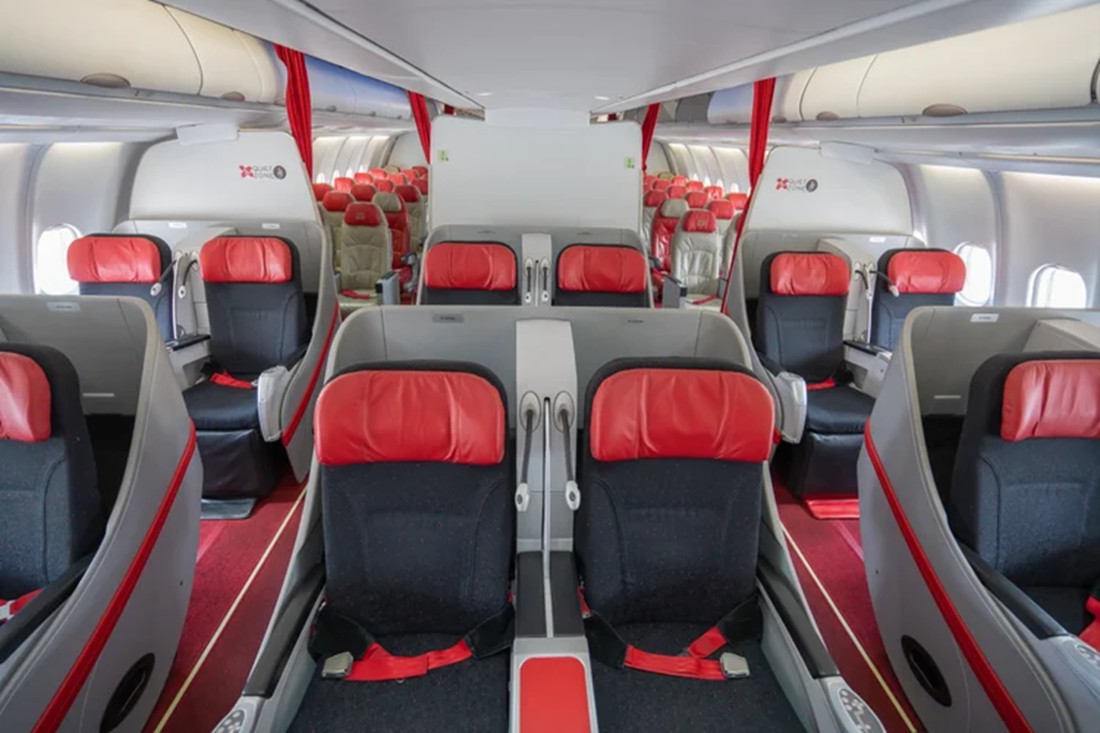
The service is expected to launch using AirAsia X’s densely configured Airbus A330-300 aircraft. While most A330 operators offer economy seating in a 2-4-2 or eight-abreast configuration, AirAsia X, like Cebu Pacific, has added a ninth seat per row to create a 3-3-3 layout, increasing overall capacity. The airline also operates a small premium cabin branded Premium Flatbed, offering lie-flat seats in a 2-2-2 configuration at the front of the aircraft.
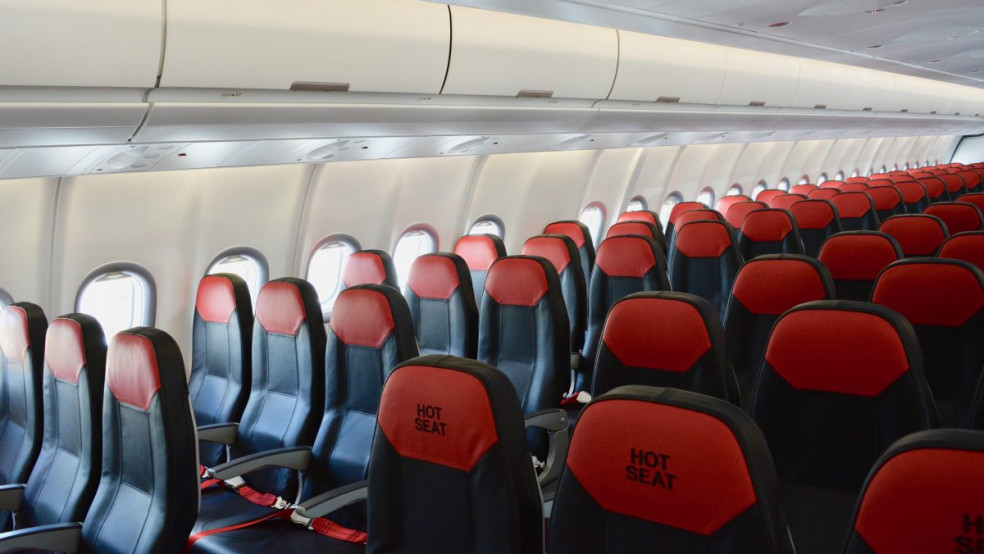
As an overview, the AirAsia X seating options include:
Standard Seats: These offers a 31-inch pitch and 16-inch width.
Hot Seats: These provide additional legroom with a minimum 34-inch seat pitch and 16 inch width.
Premium Flatbed: Features a 59-inch pitch and 19-inch width, converts into a fully flat bed, and includes additional comfort features.
Twin Seats: Two Standard Seats with no middle seat, located towards the rear of the cabin, offering added privacy for passengers travelling together.
Quiet Zone: A designated low-noise area with no children under 10, soft ambient lighting, and faster meal service. Standard and Hot Seats are available in this cabin.

As a low-cost carrier, all meals and drinks, including water, must be purchased either at the time of booking or on board. There is no seatback in-flight entertainment, and blankets or pillows are not provided, although comfort items can be purchased on board. Wi-Fi is available; however, the speed and reliability on this long-haul sector remain unclear at the time of writing. Some entertainment can be streamed for free to personal devices using the onboard Wi-Fi, but the content library is limited, so passengers on long-haul flights may wish to plan ahead.
Looking ahead, the route could also align with longer-term fleet renewal plans. New-generation widebodies such as the Airbus A330-900neo offer increased fuel efficiency and additional range, which would further strengthen the economics of Europe–Asia low-cost operations and potentially reduce operational limitations on very long sectors.
A wider test for long-haul low-cost aviation
AirAsia X’s return to London is more than a new route announcement. It will effectively serve as a test of whether long-haul low-cost flights between Europe and Southeast Asia can now operate sustainably.
Previous attempts at long-haul low-cost often struggled due to fuel costs, operational complexity, and limited premium cabin revenue. Today, stronger leisure demand, improved ancillary revenue streams, and more efficient aircraft are reshaping those economics.
If successful, the route may signal that long-haul low-cost travel between Europe and Asia is no longer an experiment, but a viable long-term business model.
Have questions or want to share your thoughts?