Massive effort to re-certify 737 MAX
By Geoffrey Thomas Wed Nov 18, 2020
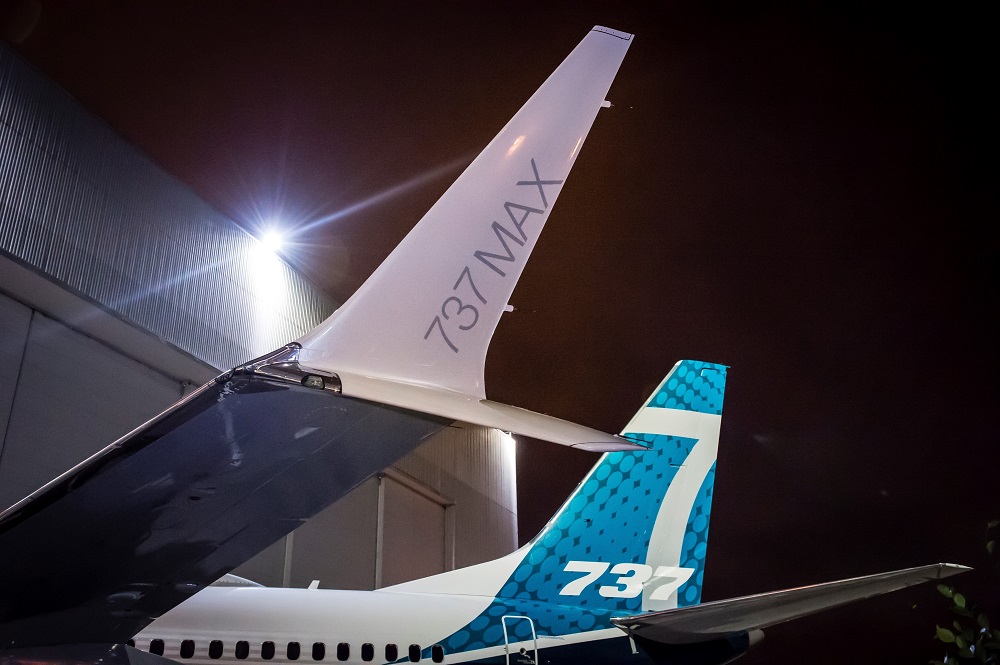
Bringing the Boeing 737 MAX back into service after two tragic crashes that claimed 346 lives has been the most comprehensive aircraft re-evaluation since the Comet tragedies of the early 1950s.
Yesterday, the US Federal Aviation Authority, gave the green light for the return to service to US airlines of the 737 MAX after a grounding lasting 20 months.
Other regulators are expected to follow soon.
The numbers are extraordinary with 391,000 engineering and software man-hours, 1,847 simulator hours, 3000 flight hours, 80 airlines and 12 aviation regulators or organisations.
The result of that global extraordinary effort is an aircraft that is as safe as the industry can make it and reflects the watershed that these accidents are for aviation.
READ: Revamped Virgin Australia to keep business class
In fact, Boeing and the regulatory team have put in new features designed to prevent incidents that have never happened.
Key to the recertification has been Boeing’s engineering analysis of every system, not just the Manoeuvring Characteristics Augmentation System or MCAS, which is a control law within the flight control system.
The MCAS system, responding to erroneous data from a single faulty sensor, sent the Lion Air and Ethiopian 737s into a dive and the pilots did not respond as expected.
Boeing has gone through a very extensive Fault Tree Analysis of the entire flight control system and making additional changes well beyond those requested.
Once that was done there were a series of audits of its software, how it was developed, the requirements, the design and how Boeing checked the software.
Next, there were four separate audits of the entire package.
Once ticked off, pilot training was next and rather than experienced pilots Boeing and the regulators sought a wide mix of new pilots from 80 airlines.
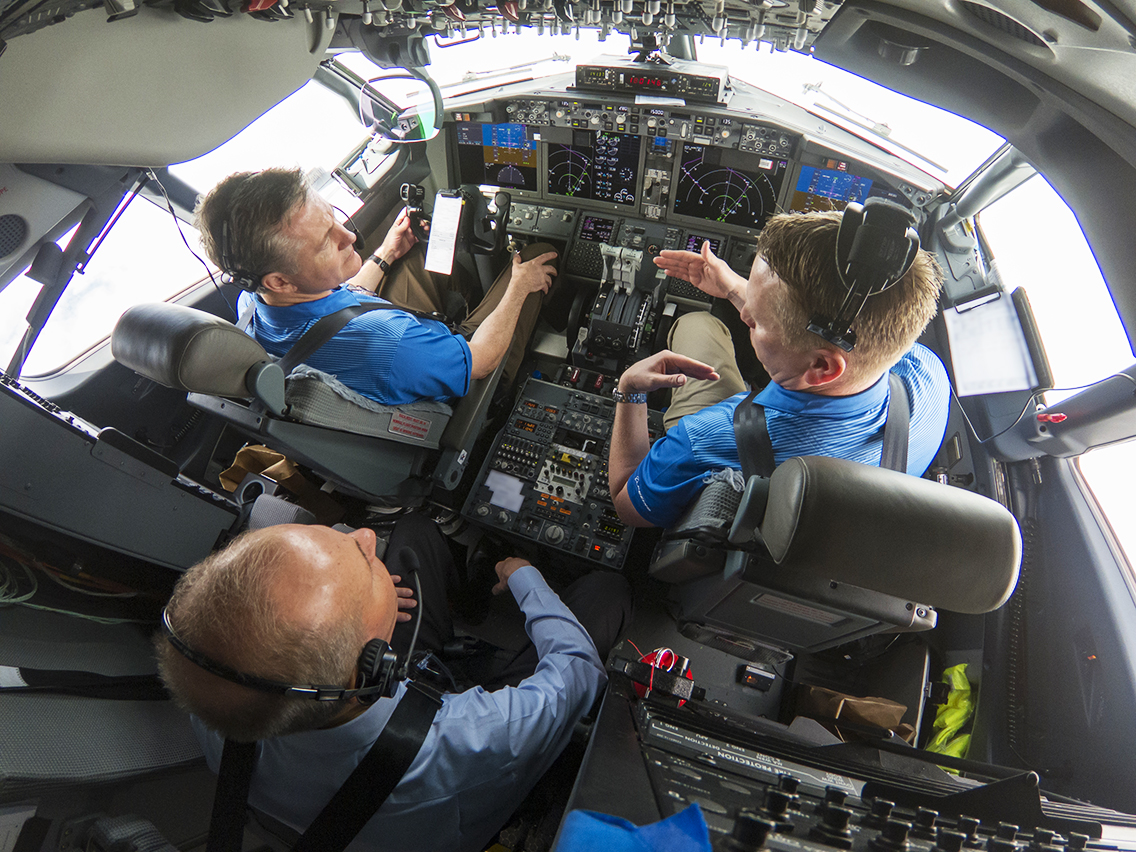 Gone were the documented industry assumptions that have governed cockpit designs for decades Boeing wanted raw pilots with minimum experience.
All four of the major regulators, from the US, Canada, Europe and Brazil that approve commercial aircraft from Boeing, Bombardier, Airbus and Embraer were used for the certification management team.
Also working alongside, the regulatory team was a Technical Advisory Board, which was comprised of the FAA, the US Air Force, the US Department of Transportation and NASA. The TAB brought in a series of industry experts and former crash investigators to evaluate the two accidents and make recommendations back to the FAA on what should be done moving forward.
Another group the Joint Authorities Technical Review brought together other regulatory agencies from around the world that was continually briefed on all the findings and gave input as well.
Pilot training for the 737 MAX has gone through a radical shakeup and includes a full simulator session with recovery from a full stall, runaway stabilizer and manual trimming at high speeds.
Now begins the enormous task of refitting the 837 grounded 737 MAX aircraft with the all upgrades, training the pilots and bring the planes out of their cocooned state.
There are 387 airline-delivered grounded 737 MAXs and 450 undelivered aircraft and Boeing teams have been visiting each aircraft storage site every month during the grounding to ensure the well- being of the aircraft.
All told there are 900 hours of work required to get each 737 MAX flying made up of; 400 hours to incorporate all the software and hardware changes, 300 hours to bring the aircraft out of its storage state and 200 hours for wiring changes.
This work will take about 16 days for each aircraft.
Boeing hopes to have half of its 450 stored aircraft delivered by the end of next year and the balance by 2022 but concedes a number has been cancelled and will have to be remarketed with subsequent configurations changes.
Boeing has lost orders for 782 737 MAX aircraft and its backlog for the jet now stands at 3,365.
The cost to Boeing for the crashes and grounding is the biggest in aviation history and is now put at well over US$25 billion.
Gone were the documented industry assumptions that have governed cockpit designs for decades Boeing wanted raw pilots with minimum experience.
All four of the major regulators, from the US, Canada, Europe and Brazil that approve commercial aircraft from Boeing, Bombardier, Airbus and Embraer were used for the certification management team.
Also working alongside, the regulatory team was a Technical Advisory Board, which was comprised of the FAA, the US Air Force, the US Department of Transportation and NASA. The TAB brought in a series of industry experts and former crash investigators to evaluate the two accidents and make recommendations back to the FAA on what should be done moving forward.
Another group the Joint Authorities Technical Review brought together other regulatory agencies from around the world that was continually briefed on all the findings and gave input as well.
Pilot training for the 737 MAX has gone through a radical shakeup and includes a full simulator session with recovery from a full stall, runaway stabilizer and manual trimming at high speeds.
Now begins the enormous task of refitting the 837 grounded 737 MAX aircraft with the all upgrades, training the pilots and bring the planes out of their cocooned state.
There are 387 airline-delivered grounded 737 MAXs and 450 undelivered aircraft and Boeing teams have been visiting each aircraft storage site every month during the grounding to ensure the well- being of the aircraft.
All told there are 900 hours of work required to get each 737 MAX flying made up of; 400 hours to incorporate all the software and hardware changes, 300 hours to bring the aircraft out of its storage state and 200 hours for wiring changes.
This work will take about 16 days for each aircraft.
Boeing hopes to have half of its 450 stored aircraft delivered by the end of next year and the balance by 2022 but concedes a number has been cancelled and will have to be remarketed with subsequent configurations changes.
Boeing has lost orders for 782 737 MAX aircraft and its backlog for the jet now stands at 3,365.
The cost to Boeing for the crashes and grounding is the biggest in aviation history and is now put at well over US$25 billion.
Gone were the documented industry assumptions that have governed cockpit designs for decades Boeing wanted raw pilots with minimum experience.
Have questions or want to share your thoughts?