With 80 per cent of its fleet grounded, SpiceJet is breaking records for all the wrong reasons

By Sharon Petersen Thu Nov 19, 2026
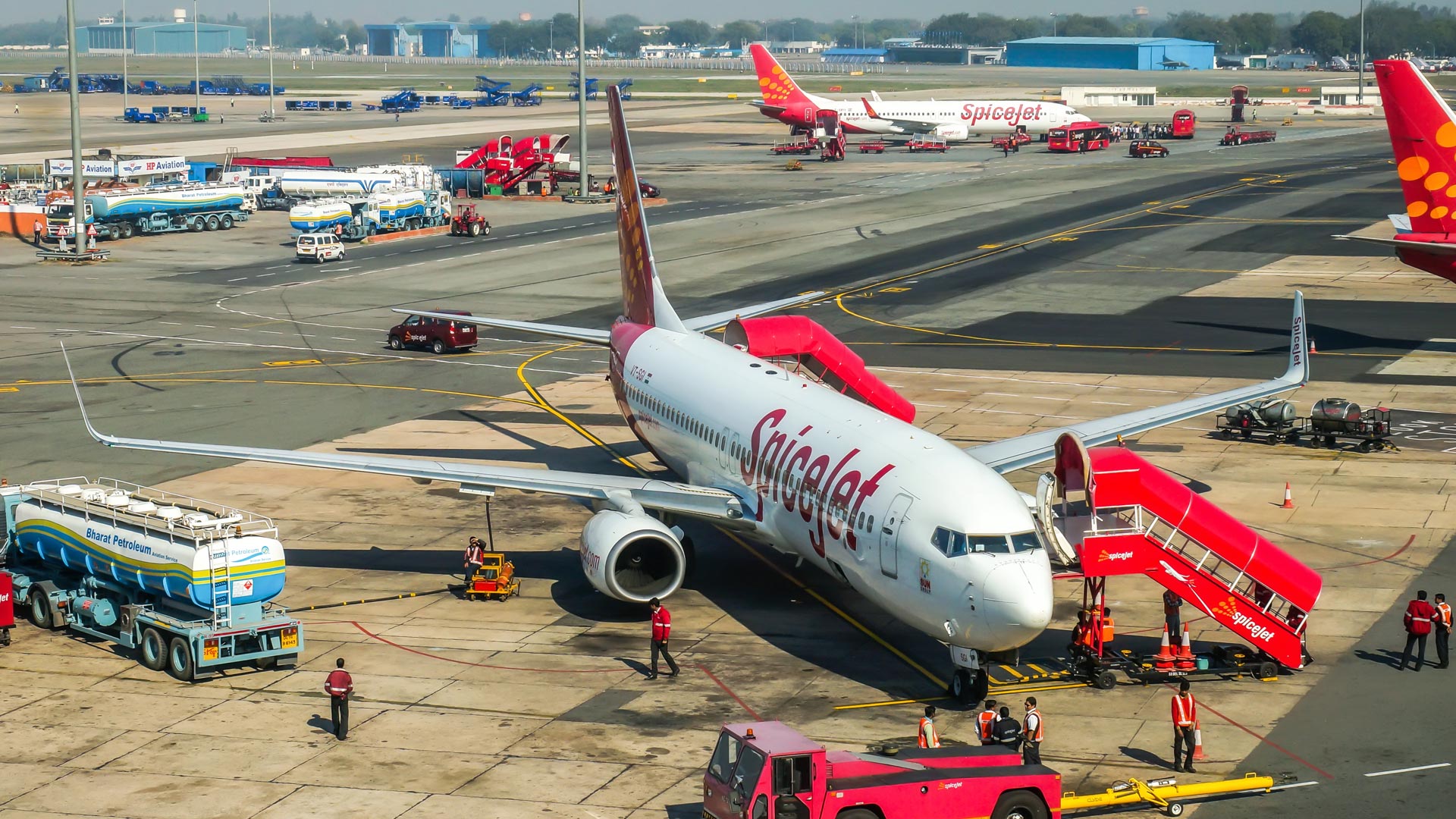
SpiceJet, the Indian low-cost carrier that held around 15 per cent of the domestic market in 2019, is now flying just nine aircraft from a fleet that still runs to close to 50 on paper.
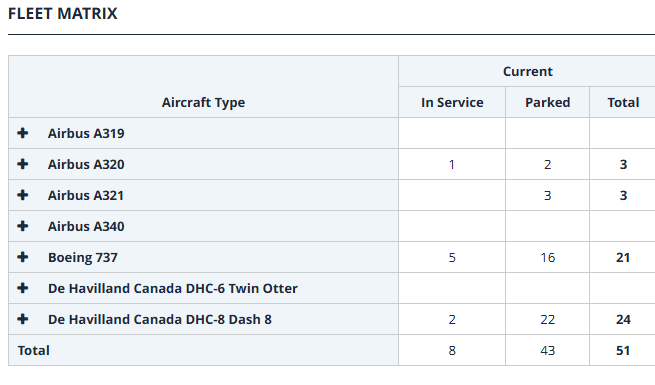
Fleet data backs up those figures, with Planespotters.net listing 10 operational SpiceJet aircraft in mid-October, two of them Q400 turboprops, alongside 37 parked aircraft, which gives a registered fleet of 47. By 11 November, reports citing CNBC-TV18 put the active fleet at 12, with three of those grounded over payment disputes with lessors, leaving nine aircraft carrying passengers. Tallies differ depending on whether wet-leased jets are counted, although every recent count sits between nine and 13.
The decline accelerated in September when the airline's last three active Boeing 737 MAX 8s were deregistered and returned to their lessors, cutting the active fleet to eight until three leased Airbus A320s from Cambodia's Sky Angkor Airways arrived. Four more MAX 8s, grounded for over a year with engine high-pressure turbine problems, became the subject of repossession requests from ICBC Aviation-owned leasing companies in July. Most of the parked fleet consists of Boeing 737s and Q400s that have sat idle for years because of engine shortages, maintenance backlogs and lessor disputes.
The shrinking fleet now shows up in every operating metric. SpiceJet runs around 65 scheduled services a day yet cancels 15 to 20 of them, with some passengers waiting three to five hours before learning their flight will not operate. DGCA data for September shows SpiceJet cancelled 20.29 per cent of its flights against an industry average of 1.15 per cent, while its on-time performance at India's 10 major airports was 16.6 per cent compared with 91.1 per cent at IndiGo. The airline carried around 73,000 domestic passengers in September, down from 592,000 in January, and its 0.6 per cent market share left it behind regional operator Star Air.
Has SpiceJet hired pilots and cabin crew?
No pilot or cabin crew recruitment drive has been reported at SpiceJet in 2026, beyond the walk-in cabin crew interview days the airline advertised at its Gurugram training academy in January and February. Staffing has moved the other way since then. A human resources letter dated 31 March placed more than 500 employees on unpaid furlough from 1 April to 30 September, and The Economic Times reported that up to 20 per cent of the roughly 6,800-strong workforce could eventually be affected.
Reuters reported that SpiceJet employed 375 pilots in March, and media reports citing company sources say staff have not been paid since June. In October around 40 pilots on the Q400 fleet refused to fly until their dues were cleared, a stand the Airline Pilots' Association of India backed in a letter to its members. SpiceJet bravely responded that "all our pilots are operating as scheduled and all flights are operating normal."

How rostering works with nine aircraft
SpiceJet does not publish crew rostering data, but the arithmetic reveals the shape of the problem. Airlines typically plan around five crew sets for each narrowbody, or roughly 10 to 12 pilots per aircraft, while 375 pilots spread across nine flying aircraft works out at more than 40 pilots per aircraft. The Q400 fleet shows the imbalance most clearly, with around 40 pilots attached to just two operational turboprops.
Idle pilots bring a cost of their own because each pilot must complete three take-offs and landings within 90 days to stay current, so pilots who rarely reach an aircraft need simulator sessions that the airline must still fund. A roster built around 65 daily services that loses nearly a third of them each day also leaves crews on standby for flights that never depart.
The recovery plan does little to change this for SpiceJet's own pilots. In September the airline signed agreements with three operators for 20 aircraft, made up of 15 Boeings and five Airbus jets, to arrive between mid-October and mid-November and support around 200 daily flights. All of them come on wet or damp leases, where the supplying airline provides the pilots and, under a wet lease, the cabin crew as well. Four Airbus A321s wet-leased from Air One Moldova have already started flying, with four Boeing 737-800s from Czech carrier Smartwings expected to follow, which means most of the new capacity arrives with another airline's pilots on the flight deck while SpiceJet's own cabin crew pick up work only on the damp-leased aircraft.
What it means for travelers
India's aviation minister confirmed in September that the DGCA is carrying out operational and financial scrutiny of SpiceJet, which currently earns a five-star safety rating out of seven and a 2.5-star product rating on AirlineRatings.com. Passengers booked with the airline should check their flight status before leaving for the airport and keep a back-up option for important journeys over the peak season.
If all 20 leased aircraft arrive, the active fleet would climb past 30, although close to 40 of SpiceJet's own aircraft would still sit parked while the airline pays pilots it cannot keep flying.
Have questions or want to share your thoughts?